← All posts

The Return of Serve, Explained: The Easiest Shot to Get Right

By Pickleball Skill Levels · November 3, 2026 · 4 min read

The return is the one shot you hit with no pressure at all — and beginners waste it. Deep, down the middle, then run. Here's why it works.

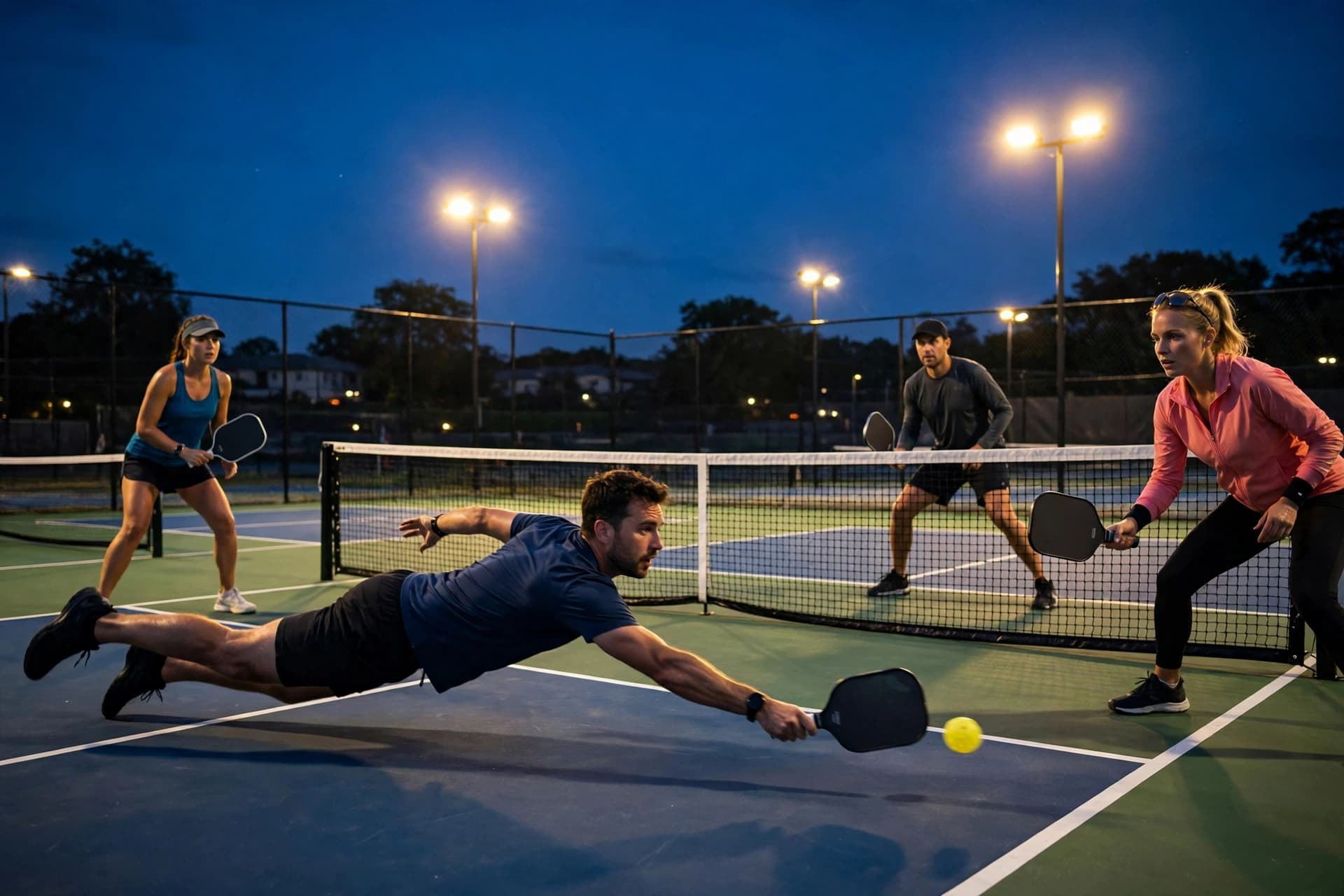
A doubles match under evening court lights

The return of serve is the second shot of every rally, and it's the friendliest shot in pickleball: the serve has to bounce before you hit it, so you have time. A good return is hit deep — landing near the baseline, ideally at the server's feet or backhand — and the moment it's away, you run forward to your kitchen line. Deep return plus fast feet means the serving team has to hit their third shot from deep, with you already set at the net.

When you use it

Every single rally starts with one, which makes it the highest-value habit in the game. No other shot repeats this often or costs this little to improve. A deep return doesn't win the point by itself — it makes your opponents' hardest decision (the third shot) even harder.

What it looks like at each level

At 2.5, the return just needs to go in — and too often it lands short, handing the server an easy ball.
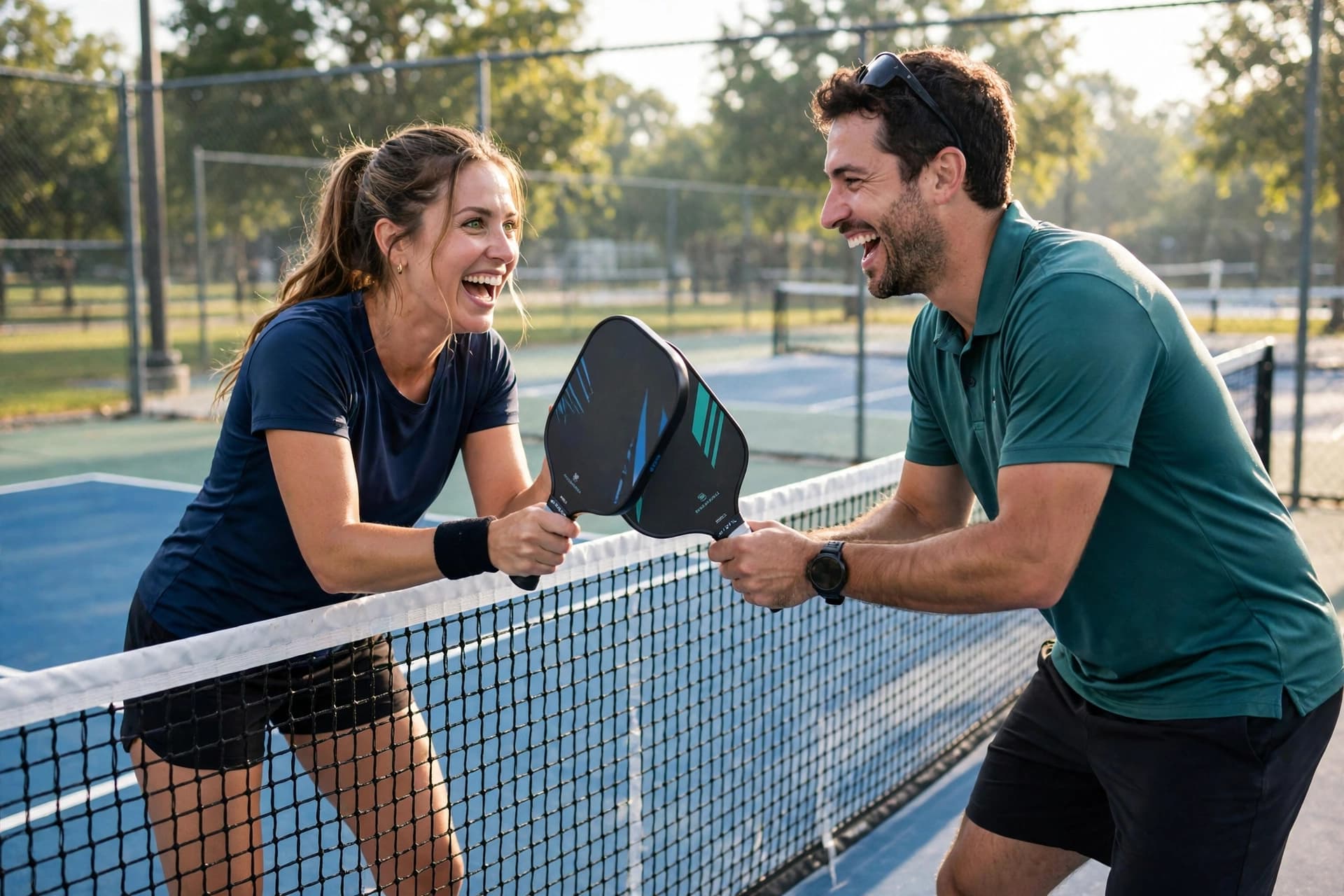
Doubles partners celebrating a point with a paddle tap

At 3.0, returns are deep most of the time, but the run to the line is slow or forgotten.

At 3.5, returns are aimed — at the weaker backhand, at the feet of the player moving the wrong way — and the returner is at the kitchen before the third shot is hit.

At 4.0 and up, depth, pace and placement vary on purpose, because at that level the third shot is good enough that the return has to be better.

The mistake almost everyone makes

Standing still to watch it. Players hit a decent return and admire it from the baseline while the rally moves to the net without them. The return isn't finished when the ball leaves your paddle — it's finished when your feet are on the kitchen line. Hit it deep, then run. Every time.

★★★★★Mastery difficulty for this shot — our coaches' take, not a stat.

Now find out where YOU stand

Reading about levels is step one. The free skill check scores your six shots and names your level — and your weakest shot — in about two minutes.

Pickleball words, in plain English

Players throw these words around like everyone knows them. Here is what each one actually means.

Kitchen
The 7-foot zone right at the net. You can stand in it, but you can't hit the ball out of the air while you're there.
Dink
A soft, gentle shot that just clears the net and lands in the kitchen. It forces the other side to hit up, not down.
Third-shot drop
Your team's first shot after the serve and return. Hit it soft so it drops into the kitchen — that lets you walk up to the net.
Reset
When a hard shot comes at you, you block it softly into the kitchen instead of swinging back. It slows the point down and saves you.
Drive
A hard, fast shot hit low over the net. The opposite of a dink.
Pop-up
A ball you hit too high by accident. It hangs in the air, and the other side gets to smash it. Most points at low levels end this way.
Speed up
To suddenly hit the ball hard and fast on purpose, to rush the other side before they're ready.
Volley
Hitting the ball out of the air before it bounces.