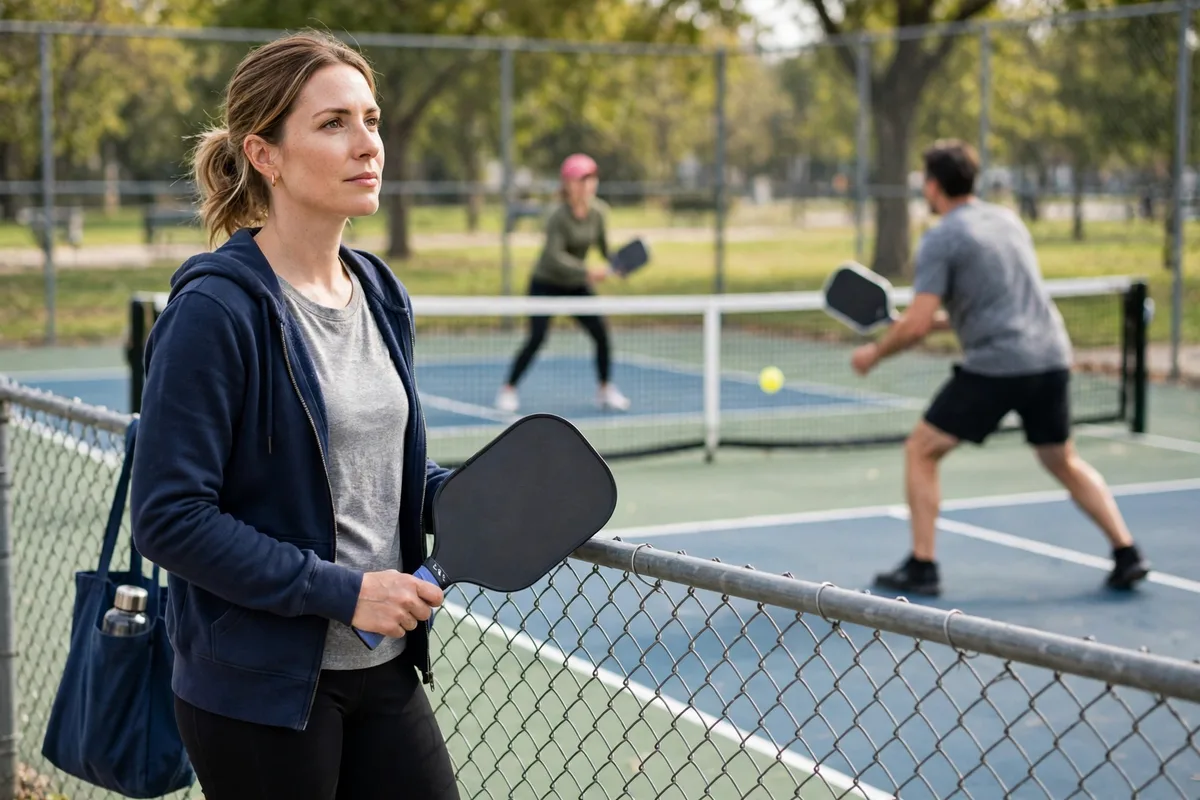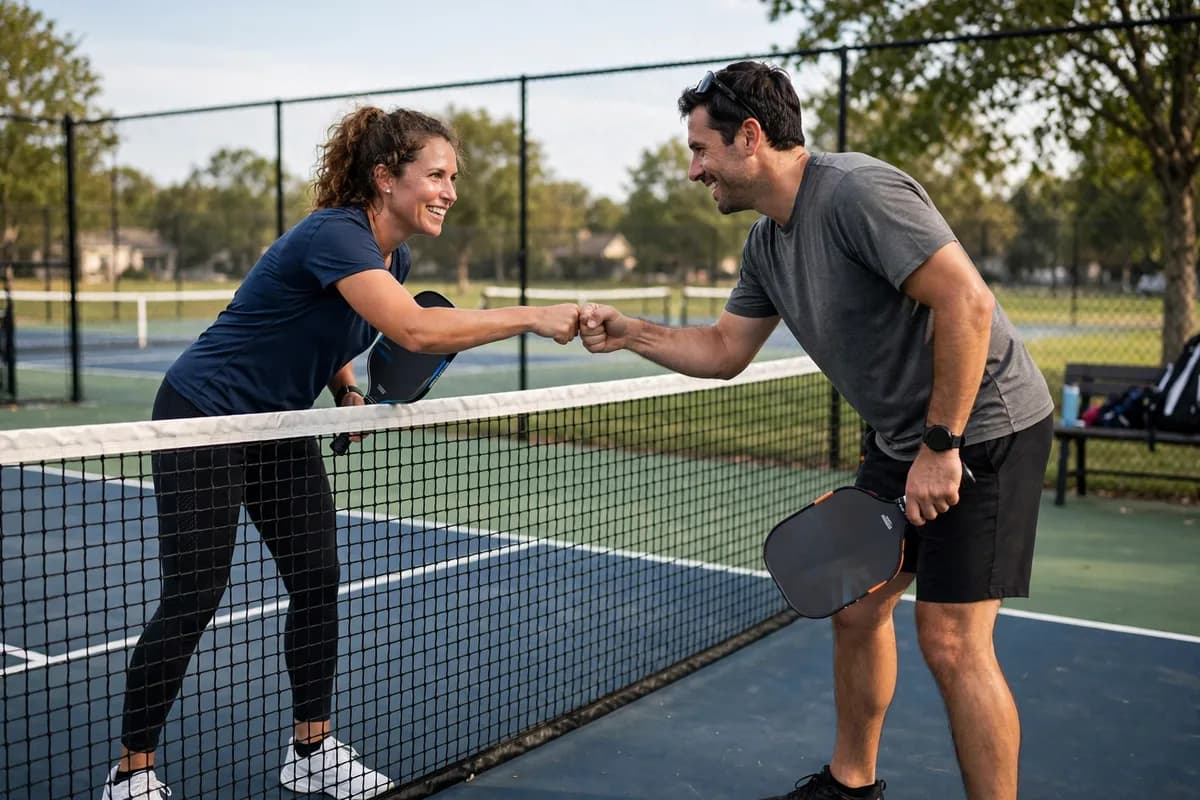
DUPR (it stands for Dynamic Universal Pickleball Rating) is the most widely used rating system in pickleball. According to DUPR's own site, it rates players on a scale from 2.0 to 8.0 based on recorded match results — who you played, who won, and by how much. Clubs, leagues, and tournaments use it to seed brackets and sort players into fair games, and because the same number follows you everywhere, a 3.5 in Texas means the same thing as a 3.5 in Florida.
How a DUPR rating is built
You do not test into DUPR. You play matches — singles or doubles — and the results get entered into the system by your club, league, tournament, or the players themselves through the DUPR app. DUPR explains that its algorithm weighs the result against the ratings of everyone in the match: beating a higher-rated player moves you up more than beating a lower-rated one, and close losses to strong players can still help you. The more recorded matches you have, the more stable and trusted the number becomes; a brand-new rating with two matches behind it will swing a lot.
DUPR vs. self-rating vs. a skill check
These three get mixed up, so here is the clean split. A self-rating is your own honest estimate using USA Pickleball's level descriptions. A skill check — like ours — scores your shots through questions and estimates the same level a coach would name after watching you. A DUPR rating is neither an estimate nor an opinion: it is calculated from real results, which makes it the number tournaments trust. The catch is that it says nothing about WHY — it will not tell you your drop is the problem.

Curious where you'd land?
If you don't have recorded matches yet, an estimate is the fastest starting point. Our Pickleball Rating Estimator (DUPR-style) asks about your game and your results and gives you a range — clearly labeled an estimate, never an official rating. And if you want the shot-by-shot picture behind the number, the free skill check shows which of your six shots is setting your ceiling.
Singles and doubles are rated separately
One more thing players miss: DUPR keeps your doubles and singles ratings apart, because they measure different games — doubles rewards net play, patience, and teamwork, while singles rewards passing shots, speed, and serve-plus-one patterns. Most recreational players carry only a doubles rating, since that's the game their clubs record. Whichever you chase, the level language is shared: if you're translating a DUPR number into plain skills, what is a good pickleball rating? and what pickleball level am I? both map the numbers to the game you'll actually see on court.
Pickleball Skill Levels is not affiliated with DUPR. We explain the system because our players use it; your official rating lives with DUPR alone.