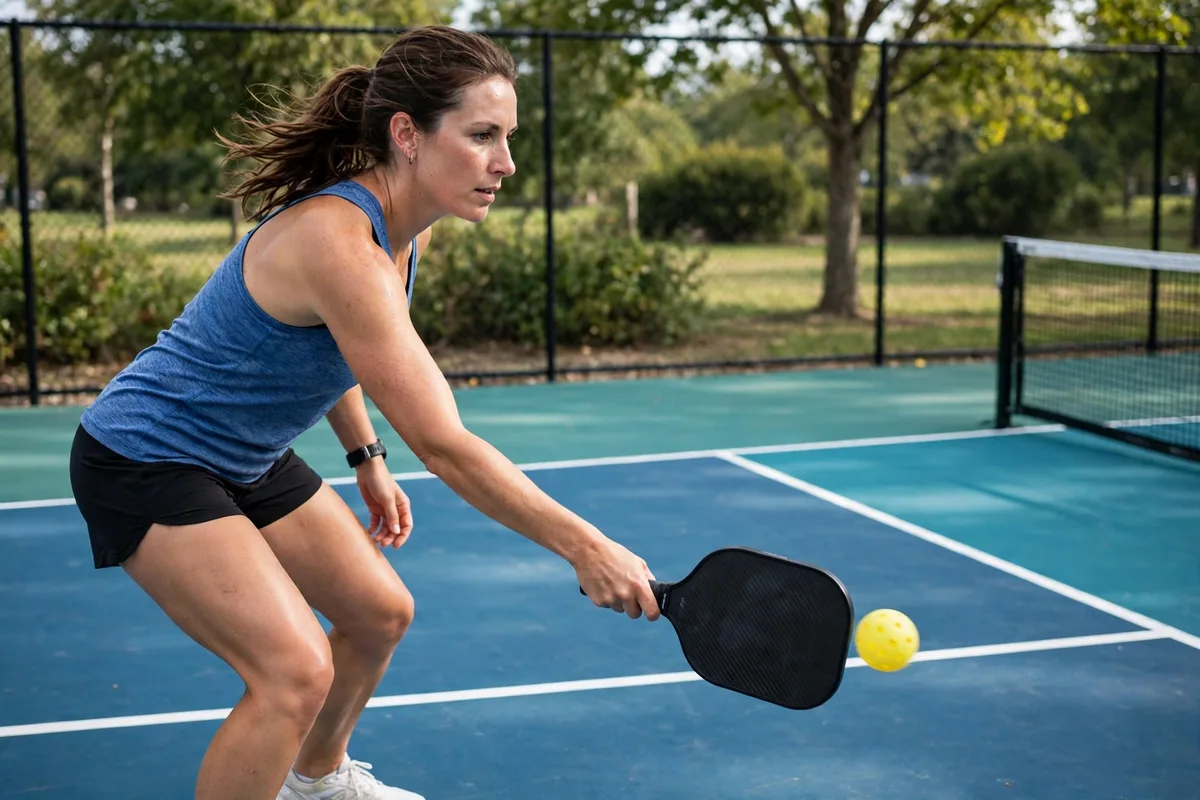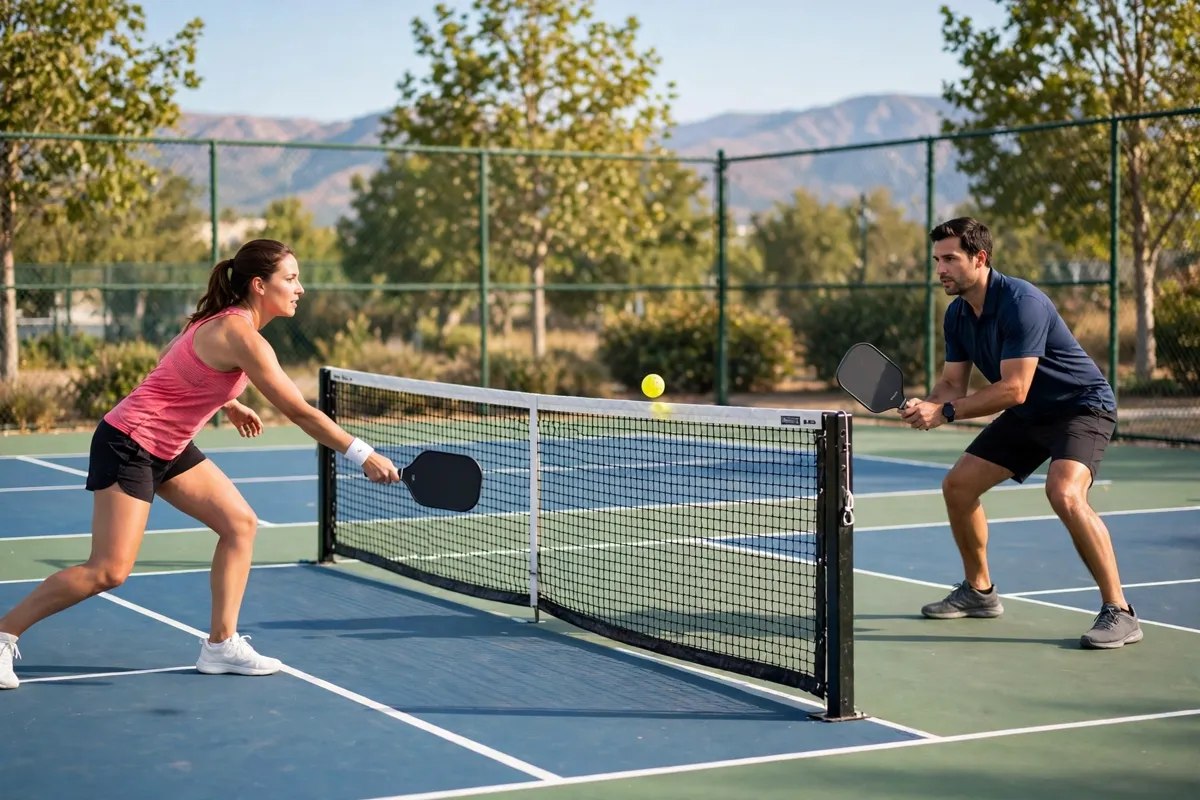
It happens in almost every game. The serve clips the top of the net, wobbles over, and lands right in the service box (the rectangle where a serve has to land). Half the players reach for the ball to serve it again, and the other half play on. So who is right? Under the rules used today, the answer is clear: a let serve — a serve that touches the net and still lands in the correct service box — is played, not replayed. If this is news to you, you are not behind; the rule simply changed, and plenty of long-time players still call a replay out of habit.
What a let serve used to be
For years, pickleball treated a net-clipping serve the way tennis does: it was called a let (a serve that brushes the net but lands in), the point stopped, and the server took the serve again with no penalty. That changed in 2021, when USA Pickleball, the sport's national governing body, rewrote the rule in its official rulebook. The change was made to keep games moving and to match how the rest of the rally already worked, because a ball that clips the net during open play has always been live. From 2021 on, the serve follows the same logic: if it lands where a good serve should land, the rally counts.
The rule today, in plain words
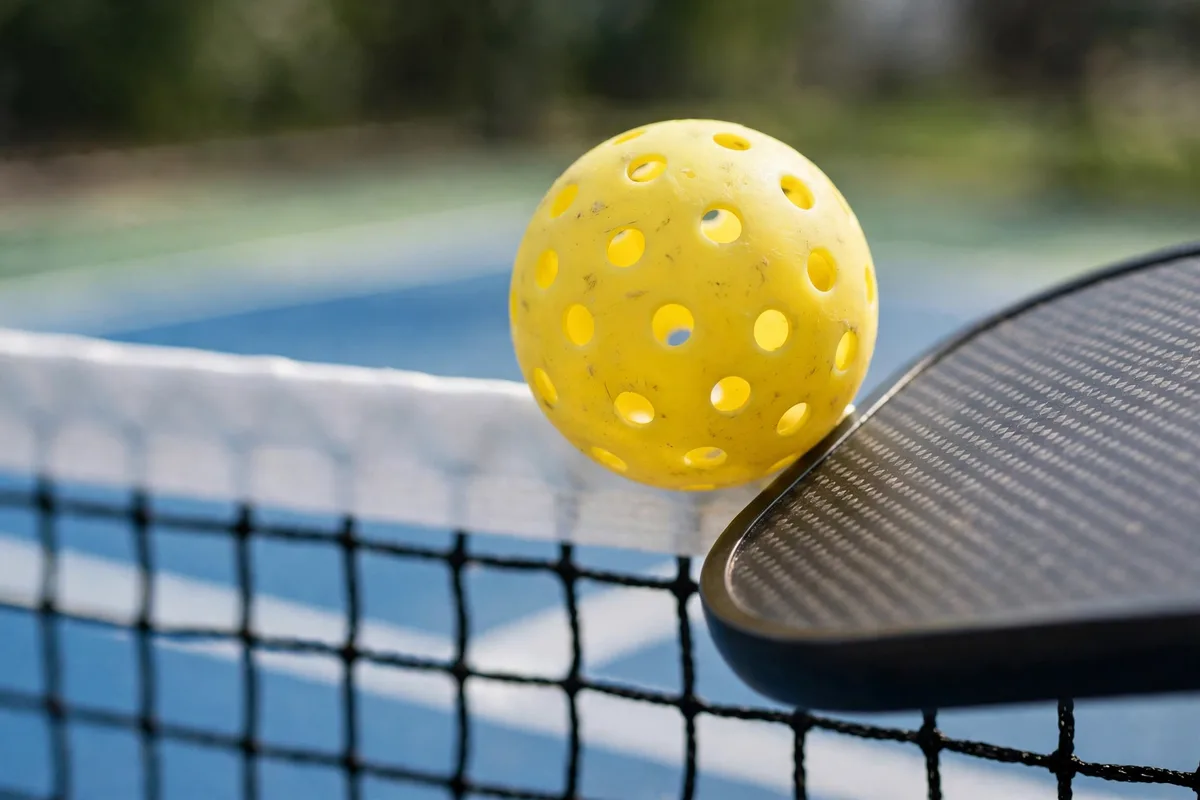
Here is the current rule from USA Pickleball's rulebook, translated into plain language. If a serve touches the net and lands in the correct service box, the ball is live and the receiving team must play it. There is no re-serve and no second chance. If a serve touches the net and lands in the kitchen (the 7-foot non-volley zone on each side of the net, where serves may never land), it is a fault. If it touches the net and lands out, it is also a fault. In other words, once the ball leaves your paddle, the net cord changes nothing: the landing spot decides everything, exactly like a normal serve.
Why receivers get caught out
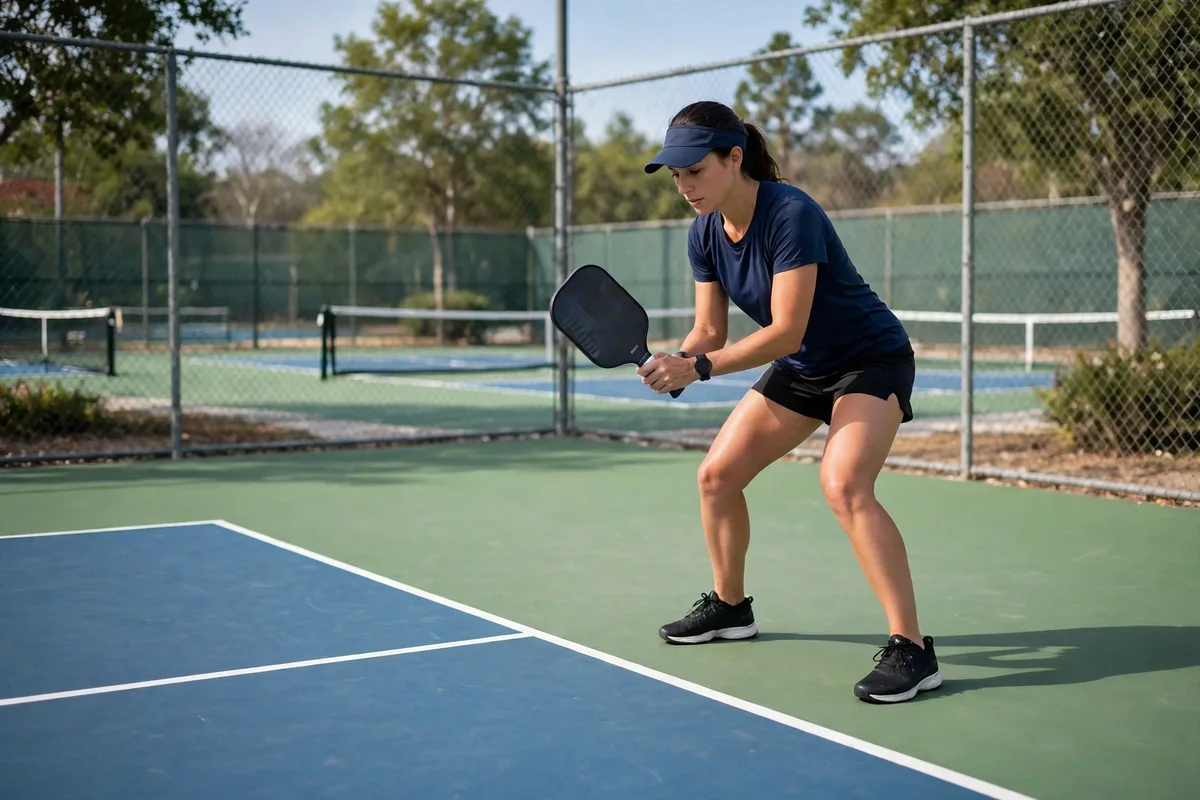
The players most often burned by this rule are receivers who grew up on the old one. The ball brushes the tape, they relax for a replay that is never coming, and the serve drops in for an easy point. The fix is simple awareness: treat every serve as live until you see it land out or in the kitchen. Good receivers now stay in their ready position (feet balanced, paddle up in front) through the net cord and react to the landing, not the sound. If you are returning serve, our guide to how to serve in pickleball covers the receiving side too, and it pairs well with the stance basics in the serve, step by step.
What about friendly games and local house rules?
One honest wrinkle: some clubs, senior centers, and friendly groups still play the old way by house rule (a local rule a group agrees on for its own games). That is fine as long as everyone knows before the first serve. The smart move at any new court is to ask one question during warm-up: are we playing let serves live? If nobody has a house rule, the official rule applies and let serves count. Tournament and league play follows USA Pickleball's rulebook, so competitive players should build the live-let habit now rather than unlearn the replay later. First: your serve clips the net, floats over, and lands two inches inside the service box line. Play it — the rally is on, and your opponents owe you a return. Second: your serve clips the net and drops straight down into the kitchen. Fault — the net cord does not rescue a short serve, and the serve passes to your partner or the other team under normal scoring. Notice that both answers come from the landing, not the net. If you want the full picture of where serves may and may not land, the kitchen rules, explained simply walks through the zone serve by serve.
Let serves are legal and live in pickleball. A serve that touches the net and lands in the correct service box counts, a serve that lands in the kitchen or out is a fault, and nobody gets a free replay in official play anymore. Learn to play every net cord and you will quietly pick up a few rallies a week that other players throw away. The serve is also one of the six core shots scored by our free skill check — take it to see how your serve stacks up and which shot deserves your practice time next.