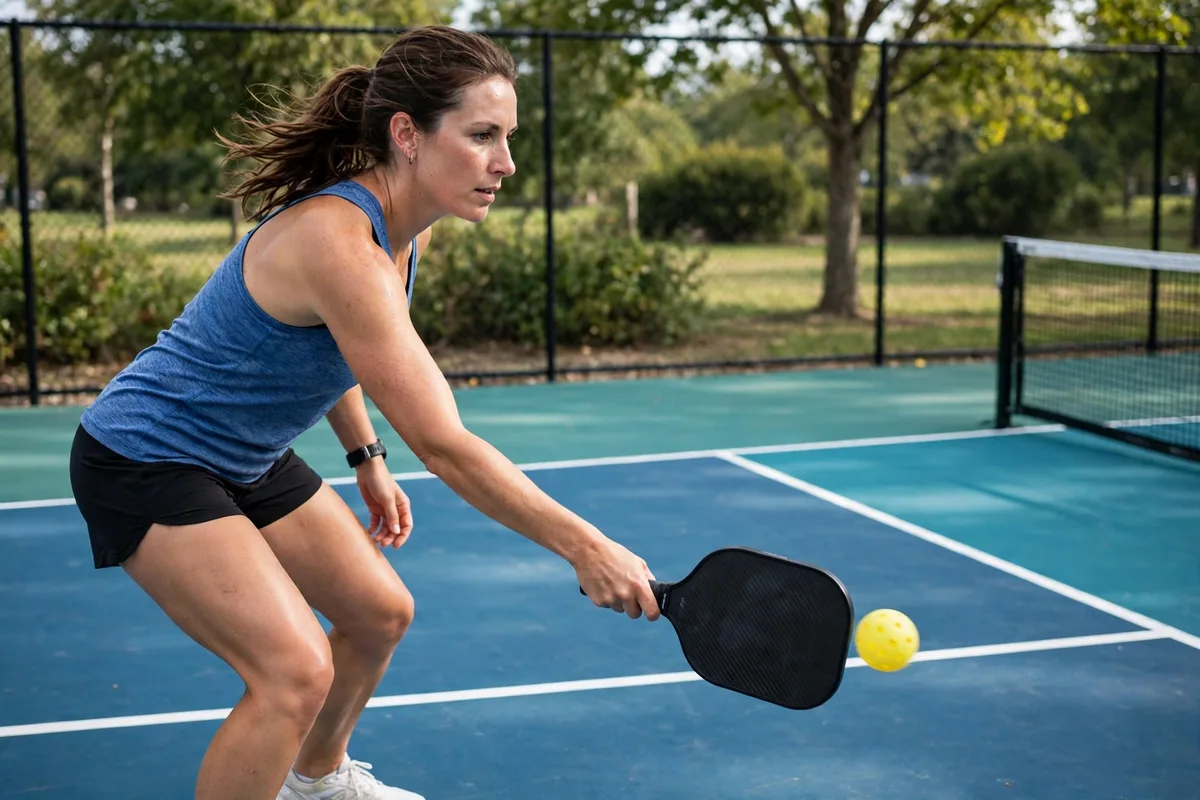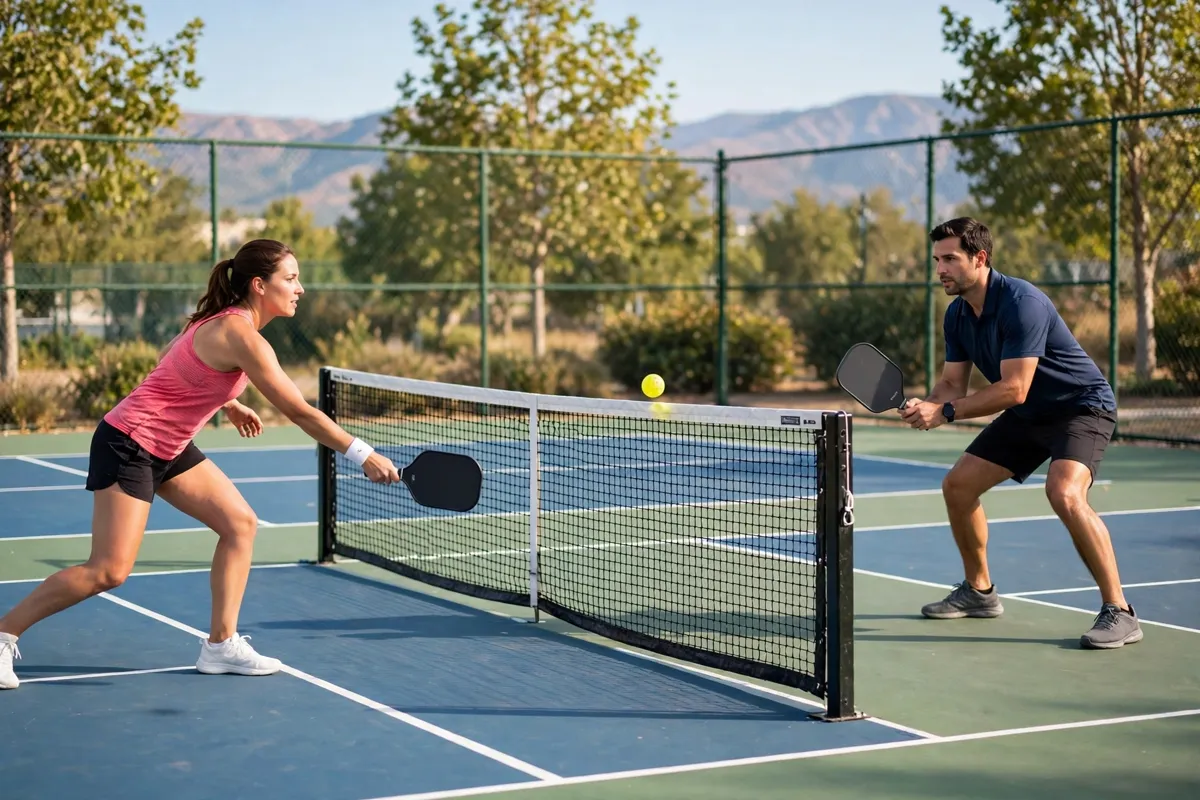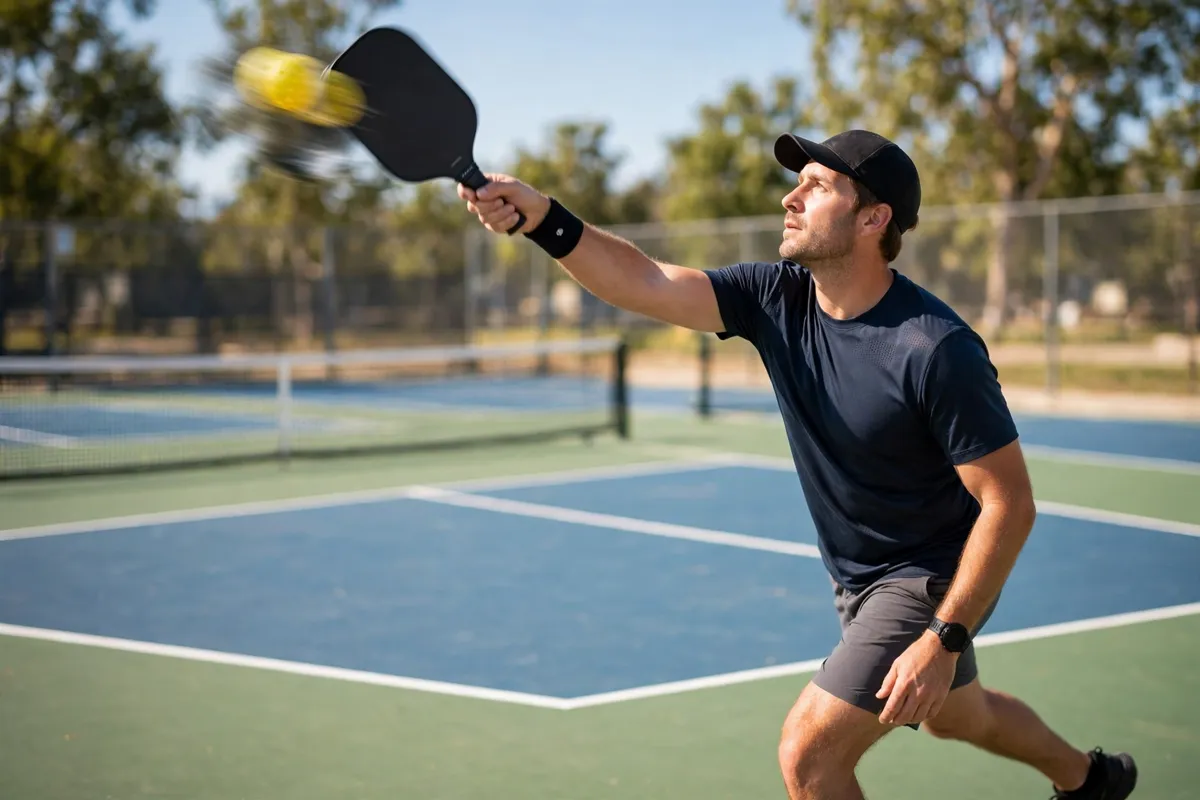
Few serves cause more arguments at the park than the spin serve. One player snaps the ball out of their fingers, it kicks sideways off the bounce, and someone immediately asks whether that is even allowed. The honest answer has two halves. Spin created by your paddle when it strikes the ball is completely legal. Spin you add with your hand or fingers as you release the ball — the trick behind the famous chainsaw serve (a serve released with a hard finger flick so the ball spins before the paddle touches it) — has been banned since 2023. Same spinning ball, very different ruling, and the difference is entirely about where the spin comes from.
What USA Pickleball's rulebook actually says
USA Pickleball, the sport's national governing body, addressed the release directly in its official rulebook. In plain words, the rule is this: the server must release the ball with one hand and must not impart manipulation or spin on the release of the ball immediately before the serve. Manipulation is the rulebook's word for working the ball with your hand to change how it spins or moves. Some natural rotation as a ball leaves your hand is expected and fine. What you cannot do is deliberately flick, roll, or snap the ball so it is already spinning hard before your paddle arrives. The ban took effect in 2023, after the finger-spin serve briefly took over high-level play.
Why the chainsaw serve had to go
The chainsaw serve earned its name from the release: the server dragged the ball across their fingers like starting a chainsaw, loading it with spin before contact. Combined with a normal underhand swing, the ball could curve, skid, or jump sideways off the bounce in ways receivers could barely read. USA Pickleball judged that this turned the serve — a shot meant to start the rally — into a weapon decided by a hand trick rather than paddle skill. So the governing body banned the release trick and left paddle spin alone. Understanding that reasoning helps you apply the rule on your own court: if the spin was made by fingers, it is out; if it was made by the paddle, play on.
What servers can still legally do
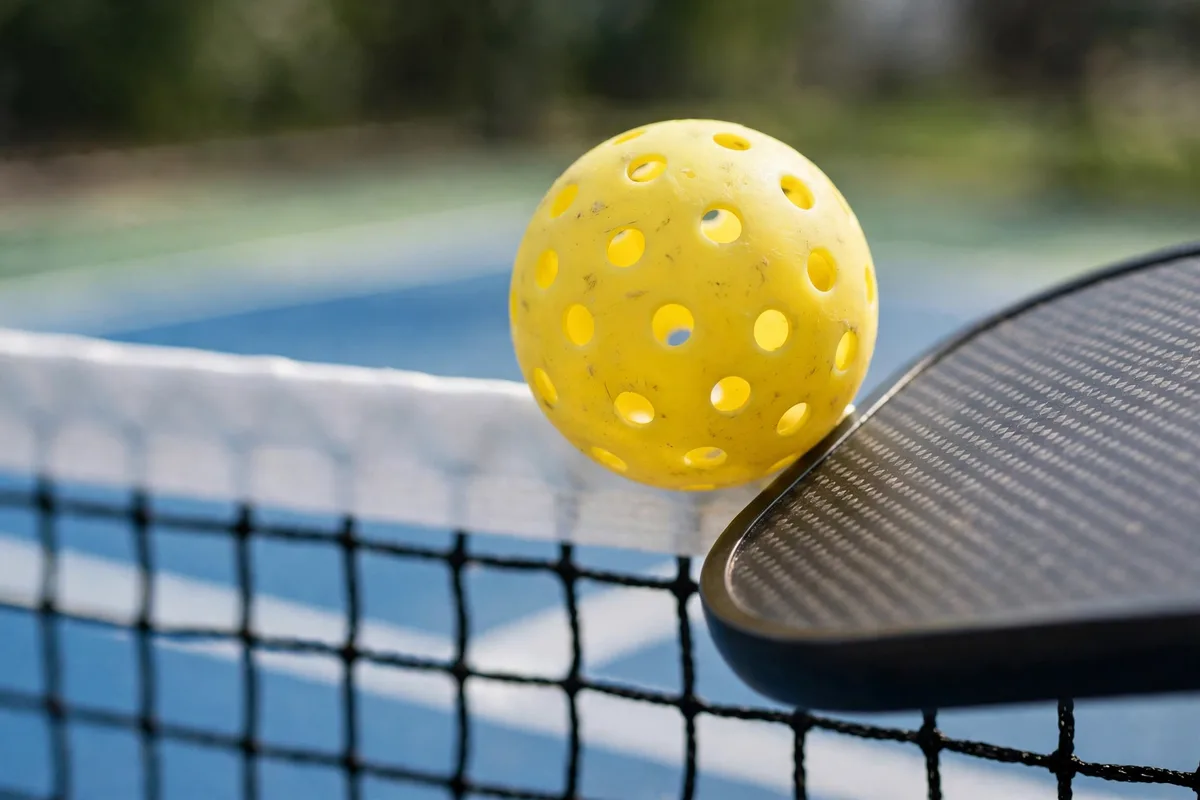
Plenty. A topspin serve, brushed up the back of the ball so it dips and kicks forward, is legal. A slice serve, brushed under the ball so it floats and skids low, is legal. A serve with sidespin from an angled paddle face is legal. All of them follow the standard serve rules covered in how to serve in pickleball: an underhand motion, contact below the waist, and the paddle head below the wrist at contact. You can also vary pace, depth, and placement freely. What you give up is only the finger flick on the toss — for most players, a small price for serves their opponents cannot protest.
The drop serve and spin
There is one more serve worth knowing: the drop serve (a legal serve where you drop the ball, let it bounce, and then hit it). Because the ball leaves your hand and bounces first, players sometimes ask whether they can spin that drop. The answer is no — the same rulebook language about not adding manipulation or spin on the release applies, and a dropped ball must be released without being tossed, thrown, or spun into the bounce. Keep the release clean and boring, then let your paddle do the interesting work at contact. For a deeper look at how the serve fits your whole game, the serve, explained breaks down why depth matters more than trickery at every level. Most recreational games have no referee, so this rule runs on honesty. If you see a serve released with a clear finger snap or roll, the polite move is a friendly word between rallies: mention that hand spin on the release has been banned since 2023 and ask them to keep the spin on the paddle. Almost everyone adjusts, because most players copied the move from a video without knowing the rule changed. If you are the server, the safest habit is a plain, visible release — hold the ball still, let it go, and swing. Nobody can argue with a release everyone can see.
Spin serves are legal in pickleball when the paddle makes the spin, and illegal when your fingers make it before contact. That single distinction settles nearly every argument: chainsaw-style releases have been out since 2023, while topspin, slice, and sidespin serves are all fair game. Build your spin the legal way and your serve gets better and argument-proof at the same time. Your serve is one of six shots scored in our free skill check — take it to see how your serve rates and what to work on next.