Every pickleball player has a side they trust and a side they hide. For most of us, the backhand — any shot hit on the side opposite your paddle hand — is the one we hope the ball avoids. Opponents notice. They aim there on serves, returns, and fast exchanges at the net. The good news is that a weak backhand is usually not a strength problem. It is a preparation problem, and preparation can be practiced. Get the setup right and the backhand becomes an ordinary, dependable shot instead of an emergency.
One hand or two hands?
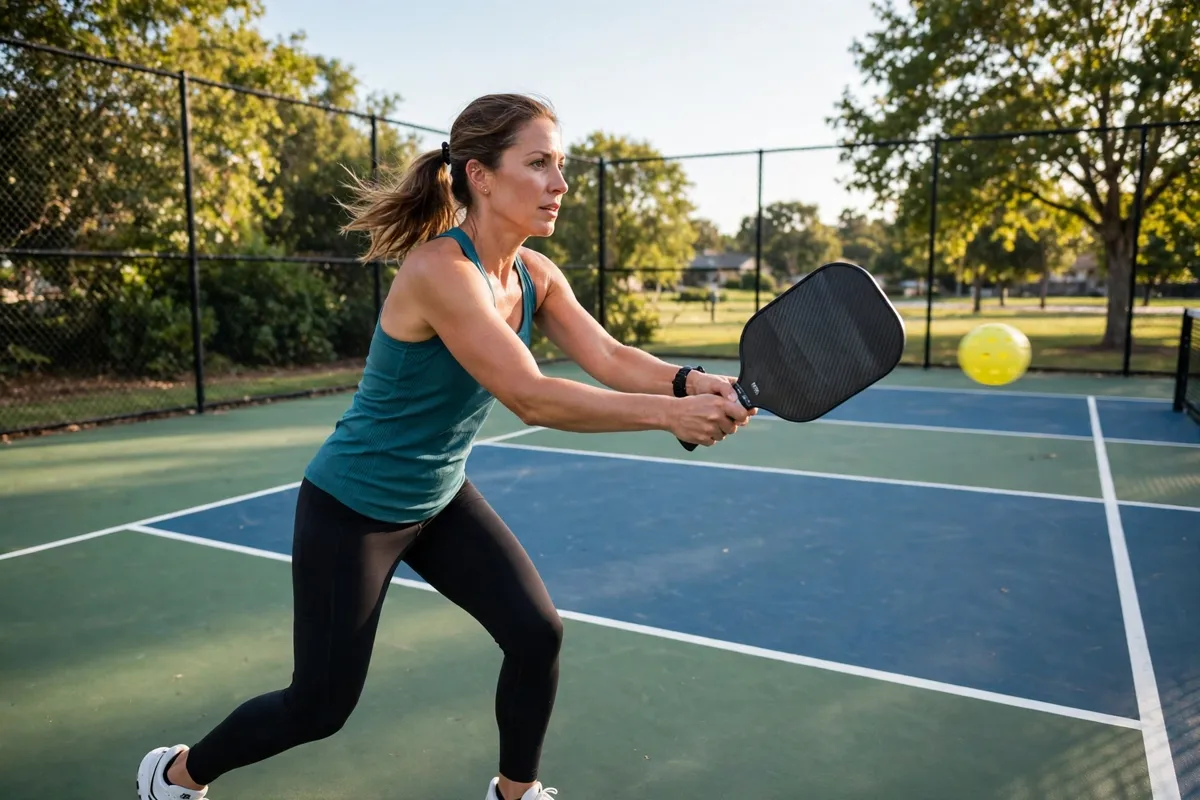
Start with the honest choice: one hand or two. A two-handed backhand, where your free hand joins the paddle handle, gives most beginners more control and more power right away. The second hand steadies the paddle face, so off-center hits still go straight, and it helps you drive through the ball instead of slapping at it. If you are new, or your one-handed backhand pops the ball up, two hands is the fastest fix. A one-handed backhand has one real advantage: reach. With a single hand you can stretch wider for a ball pulled off the court, block a fast shot at your body, and play soft shots like the dink — a gentle shot that arcs over the net and lands in the kitchen, the seven-foot zone by the net where volleys are not allowed — with a lighter touch. Many experienced players use both: two hands for groundstrokes from the back of the court, one hand for quick blocks and dinks at the net. There is no wrong answer, only the one you can repeat under pressure.
Set up early: the grip and the turn
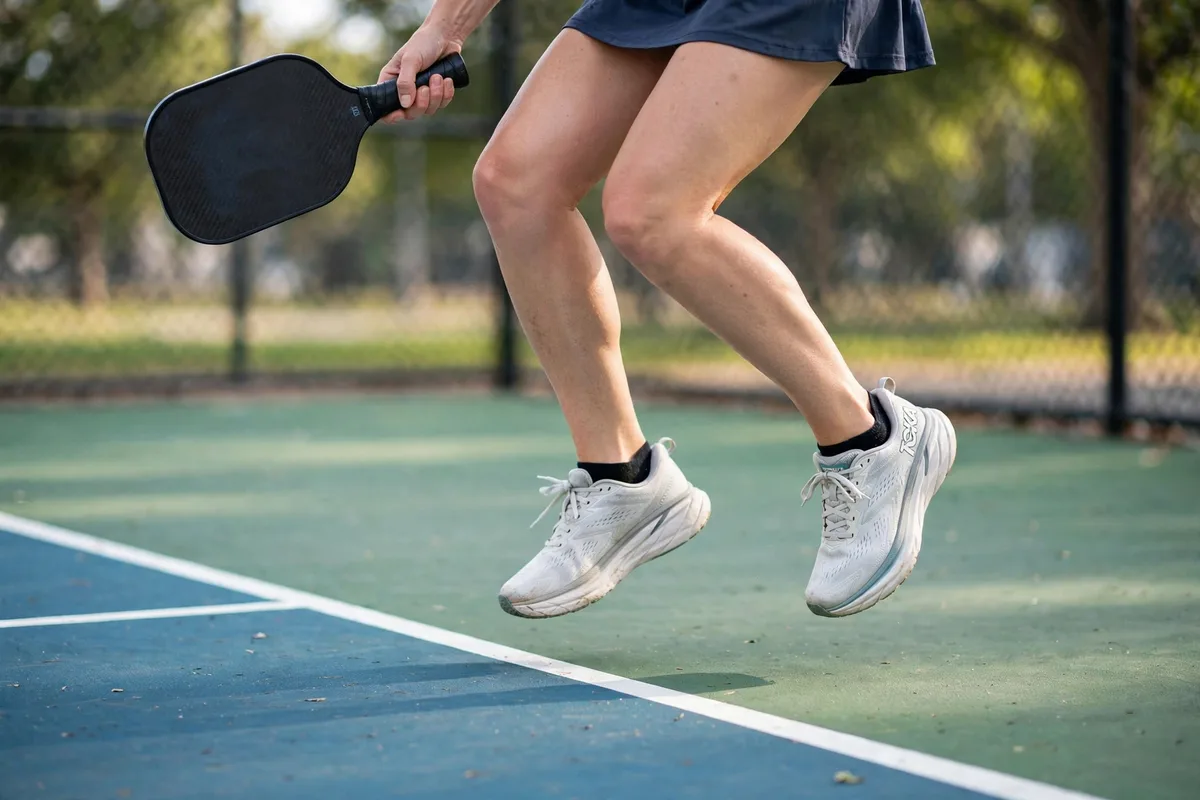
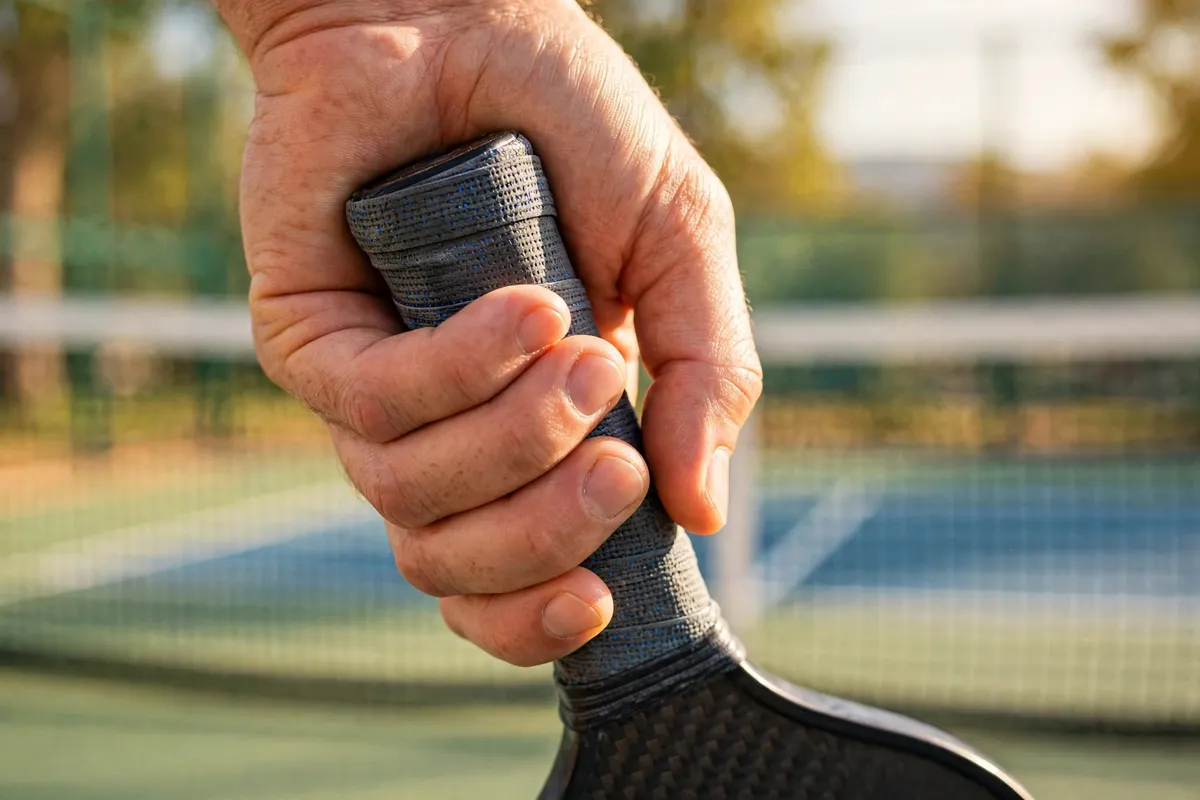
Whatever you choose, the shot is made before you swing. Hold the paddle in a handshake grip, with the handle settled across your fingers rather than buried in your palm, so the face points where your hand points. Then, the moment you read the ball coming to your backhand side, turn your shoulders and hips sideways and take the paddle back. This early turn loads your body like a spring. Players who wait, then flick at the ball with their wrist, get a weak shot that floats — and floating balls get attacked. Your feet finish the job: a small step toward the ball with your front foot lets you hit while balanced and moving forward. Our guide to footwork shows how that step fits into the rest of your movement.
Three faults that leak power and control
Fault one is the late turn. If your shoulders are still square to the net when the ball arrives, only your arm can swing, and arm-only backhands are weak. Fault two is the wrist flick: snapping the wrist at contact feels like a shortcut to power, but it makes the paddle face wobble, so the ball sprays. Keep the wrist quiet and let the shoulder drive the swing. Fault three is hitting off your back foot. When your weight drifts backward, the ball pops up and lands short or sails long. Step in, plant, and let your weight move through the shot. Fix the turn first — the other two often fix themselves once you are ready early.
Build it in practice, then trust it in games
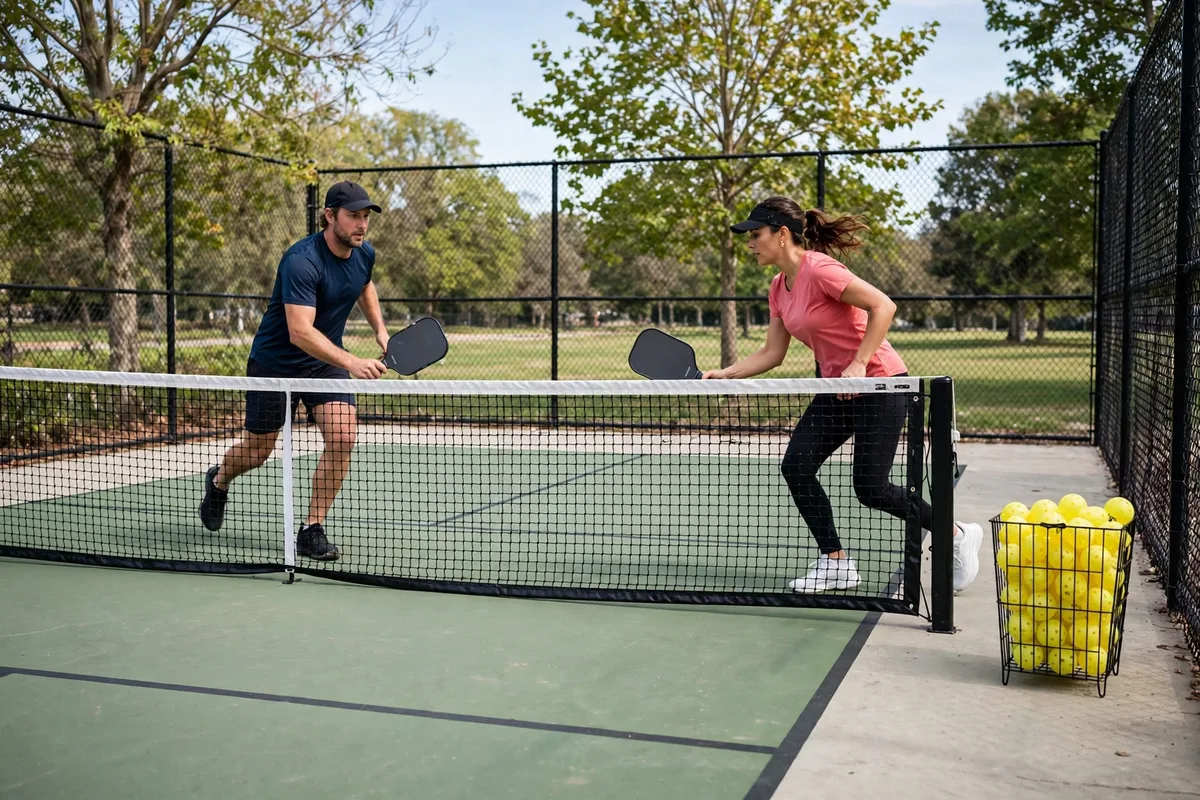
You do not need a coach standing over you to rebuild this shot. Stand at the baseline with a partner feeding balls to your backhand and hit twenty in a row with one goal: shoulder turned before every bounce. Then move to the net and block twenty more with a still wrist. Watching the shape of a good backhand helps too — the clips in our video library let you slow the pros down and copy their early turn. Give it two or three short sessions a week and the shot stops feeling foreign.
Not sure whether your backhand is actually the problem, or just the shot you remember missing? Our free skill check scores all six of your core shots and tells you plainly which one is holding your level down — so you practice the right thing, starting with the backhand if that is where the points are leaking.