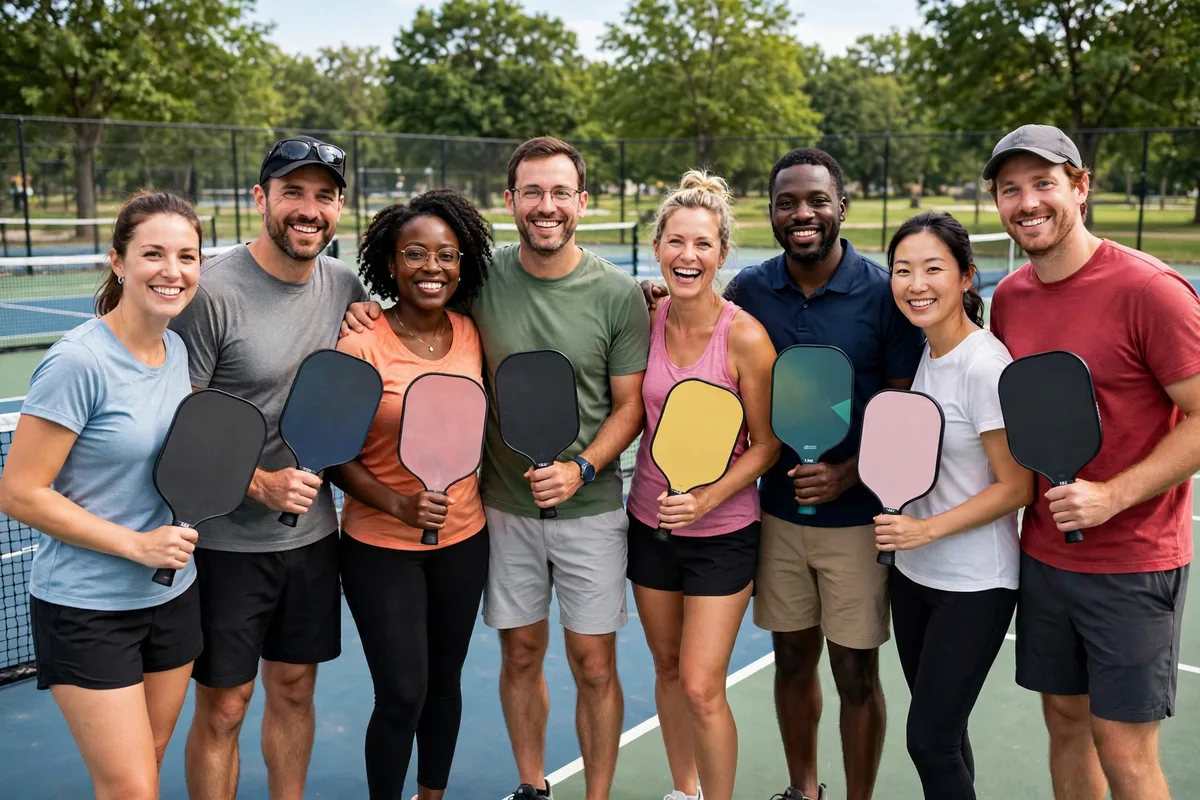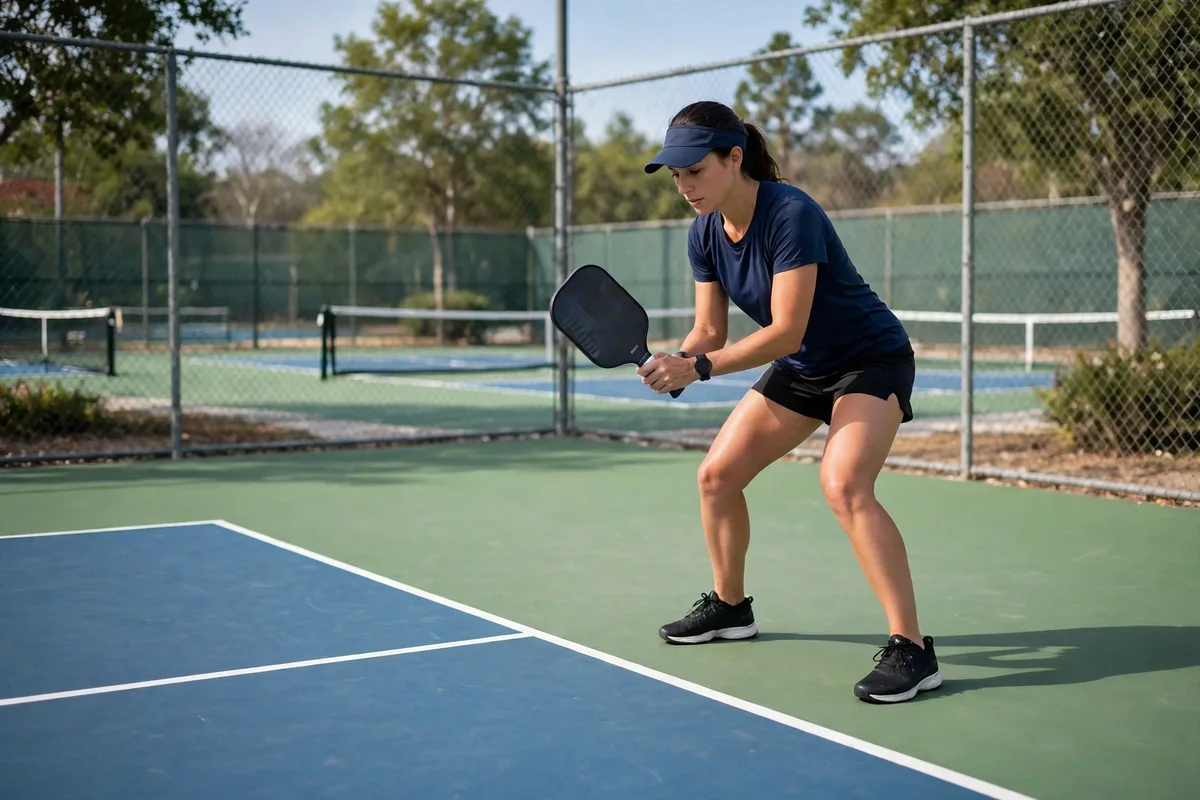
Every pickleball court runs on two rulebooks. One is official, published by USA Pickleball, and covers serves, faults, and scoring. The other is unwritten, and it covers everything else: how you call lines, how you share crowded courts, and how you treat the strangers you will be rallying with in ten minutes. Nobody teaches the second book, but every regular learns it, usually by breaking a rule they did not know existed. This guide writes the unwritten rules down — the habits that make you the player everyone hopes lands on their court.
Call the score out loud, every time
Before every serve, the server calls the score out loud: their team's points, the other team's points, and — in doubles — which server is serving, first or second. It sounds like a small thing until you skip it. Loud score calls prevent the most common argument in recreational pickleball, the mid-game 'wait, what is the score?' dispute, and they keep all four players synced without anyone having to ask. Call it before you start your motion, not during, and call it loud enough for the far baseline to hear. If the three-number call is new to you, scoring, explained simply makes it automatic in about five minutes.
Honest line calls, benefit of the doubt
In games without referees — which is nearly all of them — each team calls the lines on its own side of the court. The unwritten rule is firm: if you cannot clearly see the ball land out, it is in. Benefit of the doubt goes to your opponents, always. Call 'out' quickly and clearly the moment you are sure, and if your partner saw it differently, their clearer view wins without debate. Players develop reputations fast on this one. The player known for generous, honest calls gets the benefit of every close call in return, and their games simply have fewer arguments. Close calls are part of the sport; how you call them is part of your name at the courts.
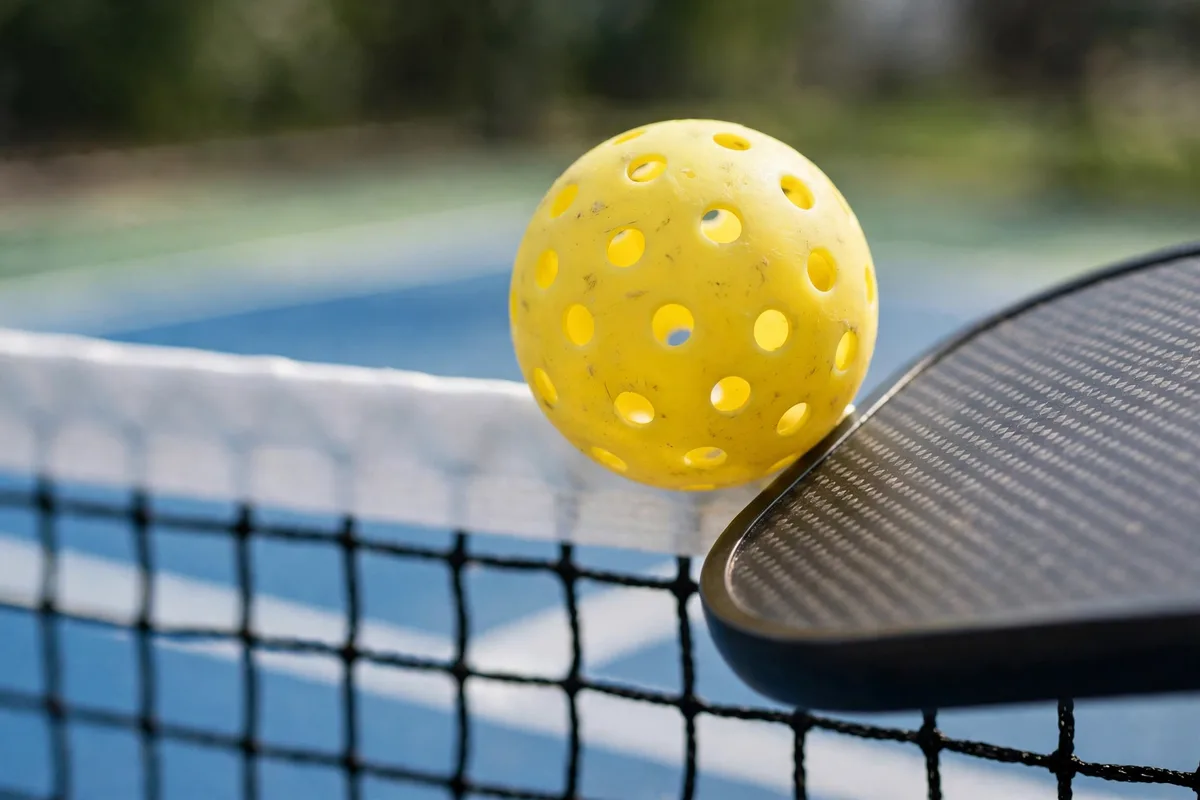
Safety calls come before everything
The moment a loose ball rolls onto your court from another game, call 'ball on court' loudly and stop play immediately. Do not finish the rally, do not wave it off — a stepped-on ball is how ankles get broken. The rally is replayed, no questions asked, and the same courtesy extends to a person wandering behind a court or a ball rolling in from your own game to a neighbor's. Call it for their court as loudly as you would want it called for yours. Safety etiquette is the one unwritten rule with no gray area, and following it marks you instantly as someone who belongs at a busy facility.
Share the courts: the paddle rotation
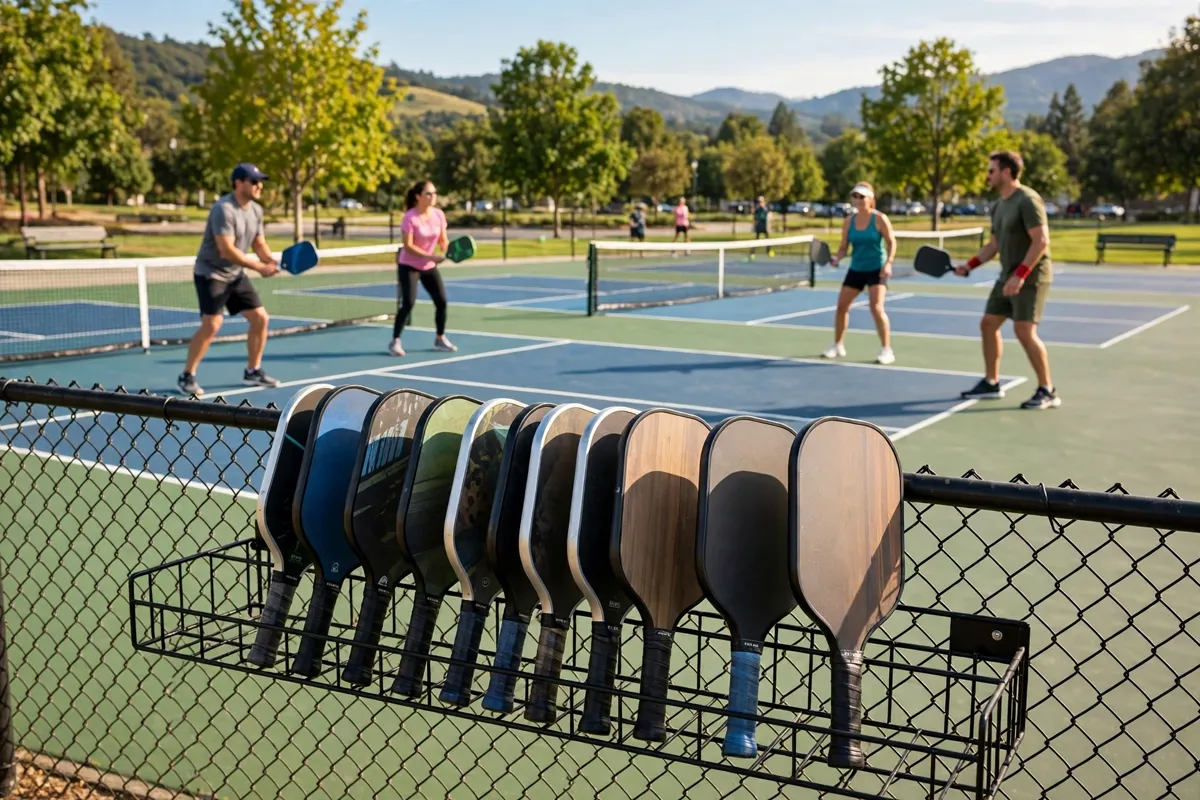
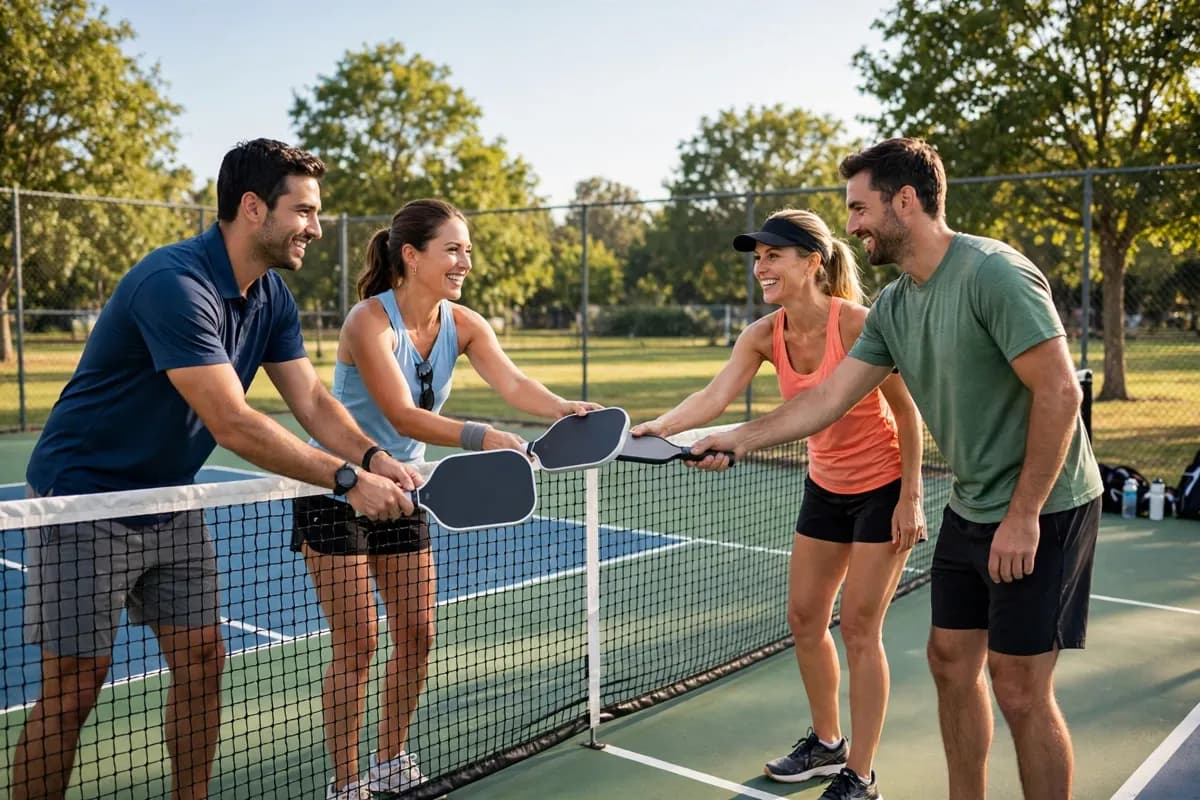
At open play (drop-in sessions where anyone can join and players mix each game), courts are shared through a rotation system. When all courts are full, players waiting place their paddles in a rack or a line — the paddle rotation — and as each game finishes, the next paddles up take the court. Winners sometimes stay and split, sometimes all four rotate off; every facility has its own version, so watch one cycle or ask before assuming. The spirit is identical everywhere: nobody owns a court during open play, games to 11 keep the line moving, and the fastest way to make enemies is to keep a court while a rack of paddles waits. New to the scene? How to run a pickleball round robin explains the organized version of the same idea. A cluster of little habits rounds out the unwritten book. Tap paddles with all four players after a game — it is the sport's handshake. Return balls to other courts by rolling or tossing them gently to a player, never by smacking them back mid-rally. If your shot catches the net cord and dribbles over for a cheap winner, a quick raised hand or 'sorry' is an optional kindness, not a debt. Do not offer coaching in the middle of a game unless someone asks; advice lands better between games, and even then, one tip is plenty. And if you are much stronger than the group, play a friendlier game — work on your soft shots rather than head-hunting the newest player.
Good etiquette is not about being fancy; it is about being predictable, honest, and easy to share a court with. Call the score, give close lines to your opponents, guard safety first, respect the rotation, and tap paddles when you are done. Do those things and you will be welcomed at any open play in the country — find a court near you and try it this week. And when you want to measure the playing half of your game, our free skill check scores your six core shots and shows you exactly what to practice next.