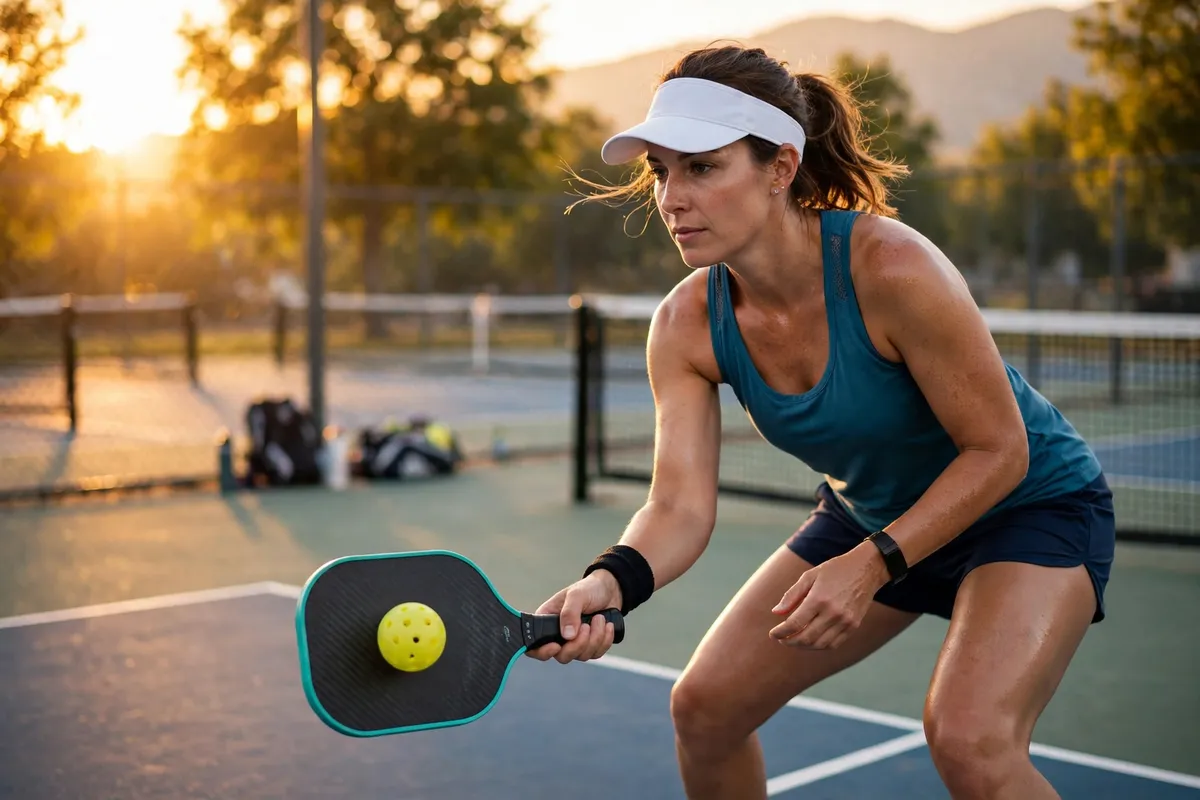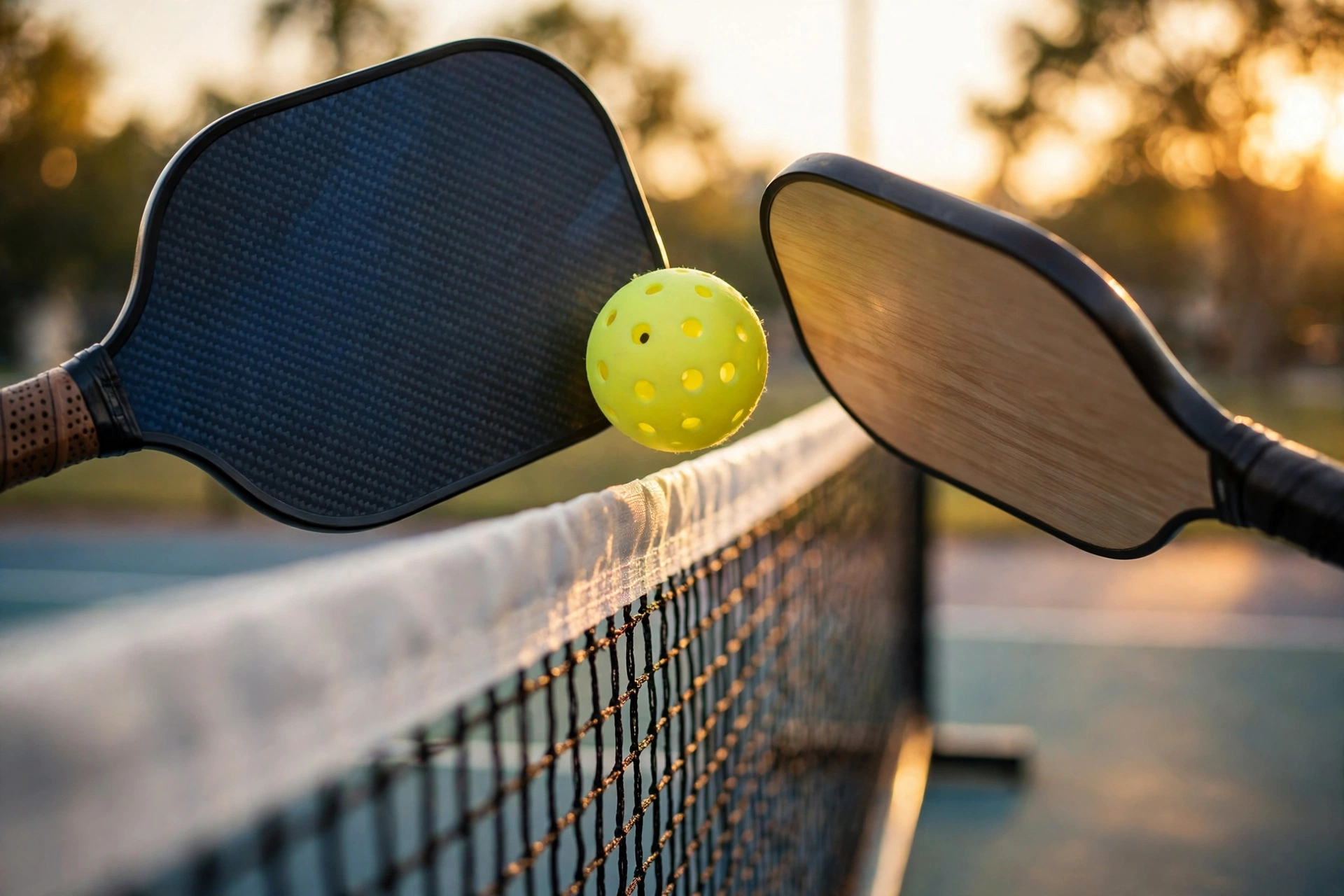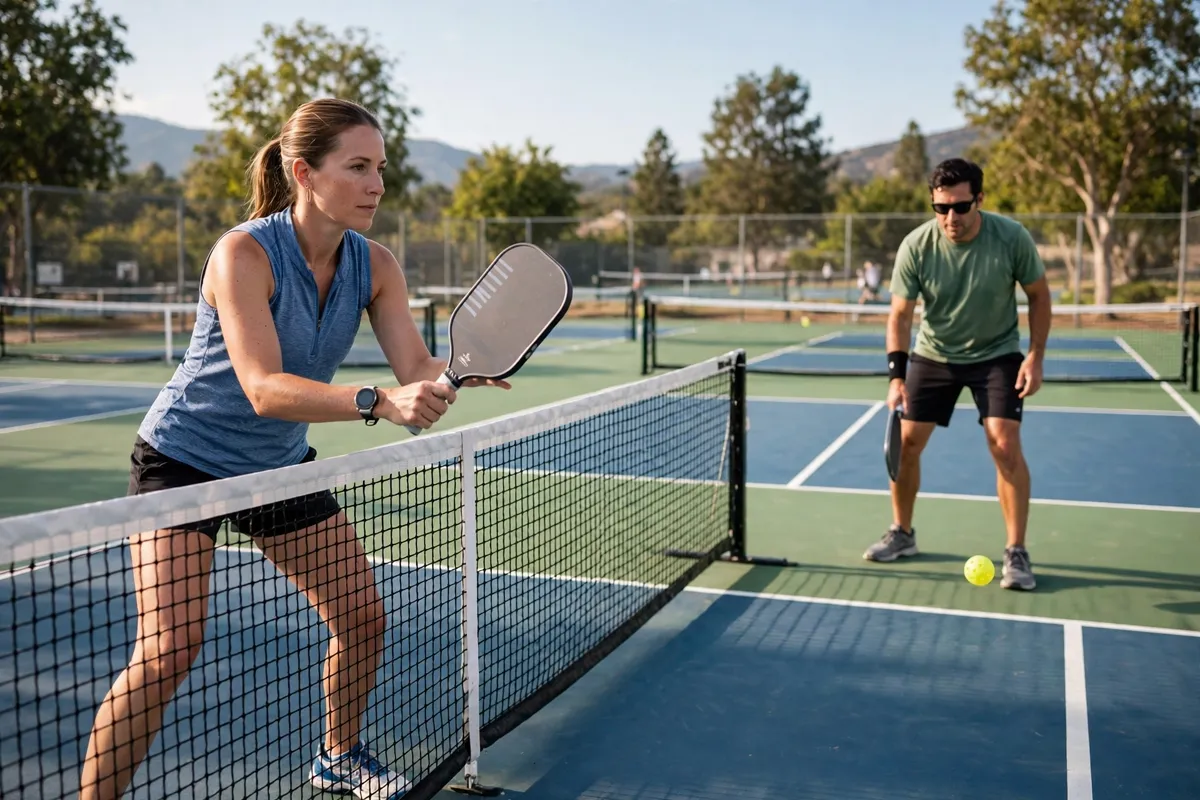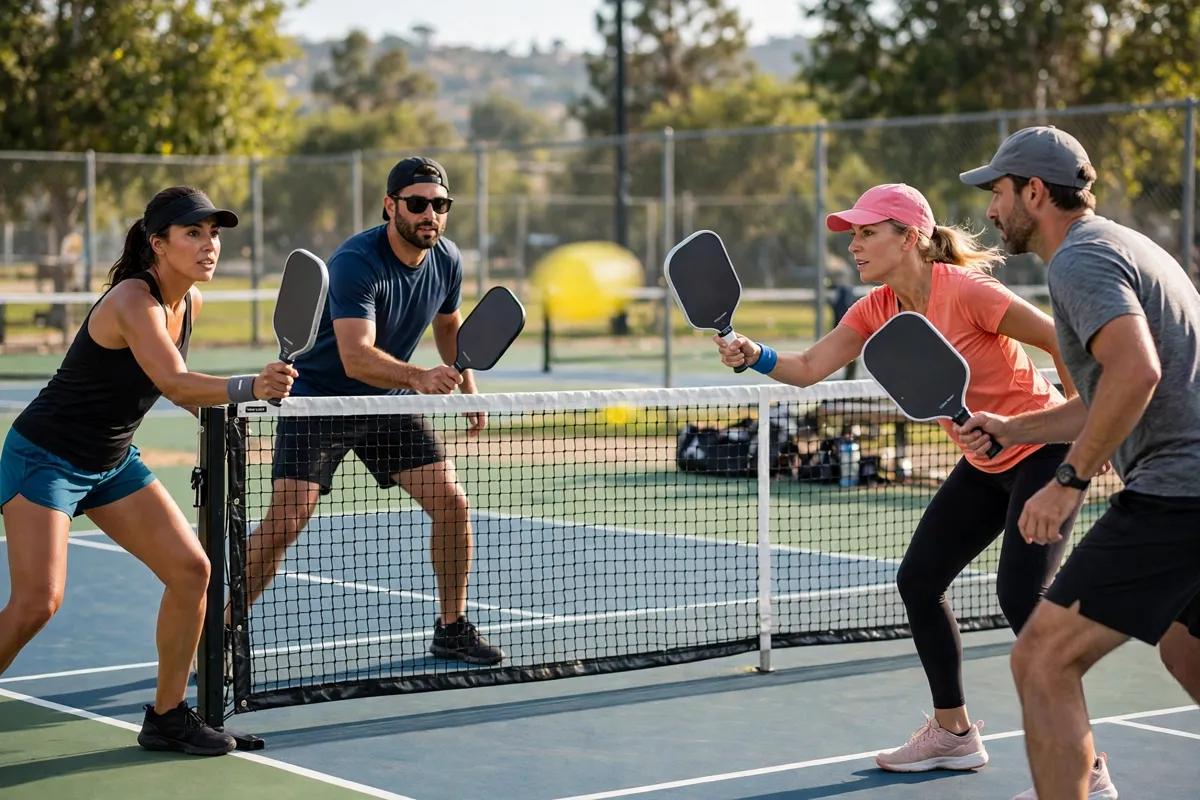
Four soft shots in a row, everyone leaning in, paddles low — and then, out of nowhere, a ball comes off a paddle like it was fired. That sudden change of pace is a speed-up: after patient dinking (the exchange of soft shots that drop into the kitchen, the 7-foot non-volley zone by the net), one player attacks a ball and tries to end the rally or force a weak reply. It is the moment every kitchen rally is quietly building toward, and understanding it will change how you play at the net.
What makes a ball worth speeding up
Good players are picky. The classic speed-up target is a dink that bounces a touch too high — roughly net height or above, close enough to hit down on or at least drive firmly at an opponent. Balls below net height are poor targets: to attack them you must swing upward, and upward attacks sail long or get countered. Position matters too. A ball you can reach while balanced, slightly in front of you, invites the attack; a ball at your shoelaces or behind your hip does not. Most failed speed-ups at the club level are not bad swings — they are bad choices, attacks launched at balls that were never attackable in the first place.
How a good speed-up is hit
The swing is compact: a short backswing, a firm wrist, and contact out in front, aimed at the opponent's body — often the shoulder of their paddle side, where defense is slowest — or sharply down at their feet. There is no big windup, because the whole weapon is surprise; a long backswing announces the shot a full second early. Many players add a little roll (topspin, spin that makes the ball dip) so the ball dives after crossing the net, which keeps attacking balls that sit up only slightly from flying long. If you are building this shot, our video library has close-up examples of how short the swing really is at a high level.
Countering one: soften, do not swing back
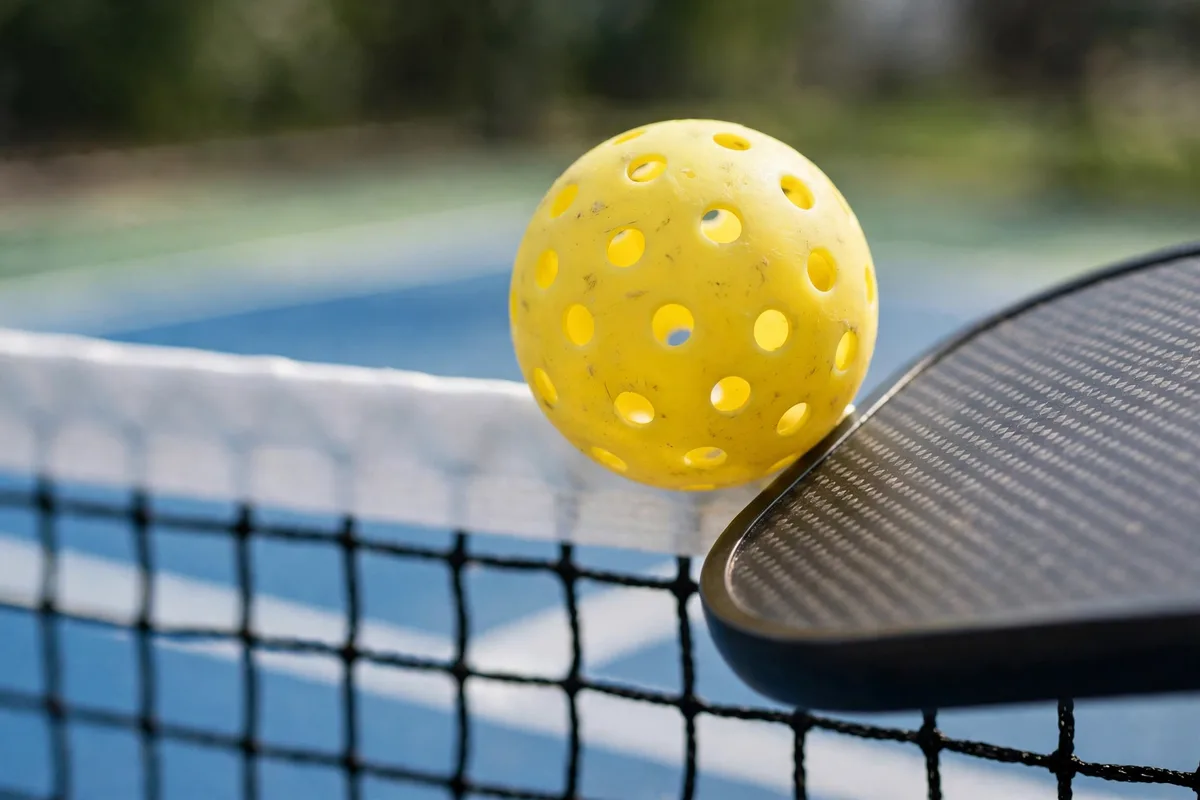
Here is the instinct to unlearn: when a ball speeds up at you, swinging hard back feels right and usually loses. The reliable counter is to soften. Keep your paddle up and out in front of your chest before the rally's soft shots even start — most speed-ups beat players whose paddles were drifting down by their knees. Meet the ball with a still, slightly open paddle face and let its pace bounce off into the kitchen on their side. That is a reset (a soft defensive shot that drops into the kitchen and restarts the rally), and our full guide to the reset breaks down the grip and touch it takes. A reset turns their best attack into a fresh, neutral dink — and few things rattle an attacker more.
Expect the next ball to be faster
Counters come with a warning: the rally after a speed-up rarely slows back down on its own. If your block sits up even a little, a good opponent attacks it immediately — that return attack is the counterattack, and it is usually hit harder than the first ball. Players call these exchanges hands battles (fast, close-range volley fights at the kitchen line). Surviving one is about preparation, not reflexes: after every block, get the paddle straight back up to chest height, stay low and balanced, and aim your blocks down at feet rather than floating them back at comfortable height. Three calm blocks beat one heroic swing almost every time.
The chess of it
Once you see speed-ups clearly, dink rallies stop looking passive. Every soft shot is a small negotiation: your dinks should bounce low and close to the net so they cannot be attacked, and you should be quietly tracking which of theirs sit up. Patience is a weapon because the first player to attack a bad ball usually loses the rally. This is the heart of the modern soft game, and it is why the dink, explained calls it the smartest shot in pickleball. Practice-wise, you need two things: dinks that stay unattackable, and hands that stay calm when the pace jumps. Not sure which one is your weaker link right now? The free skill check will grade your soft game and show you exactly where the next level of your net play comes from.