Pickleball feels friendly, but it is real exercise. If you have ever walked off the court tired and a little sweaty, you have probably wondered what an hour of play actually burns. Instead of a made-up number, here is one that was measured on real players during real games.
What the study measured
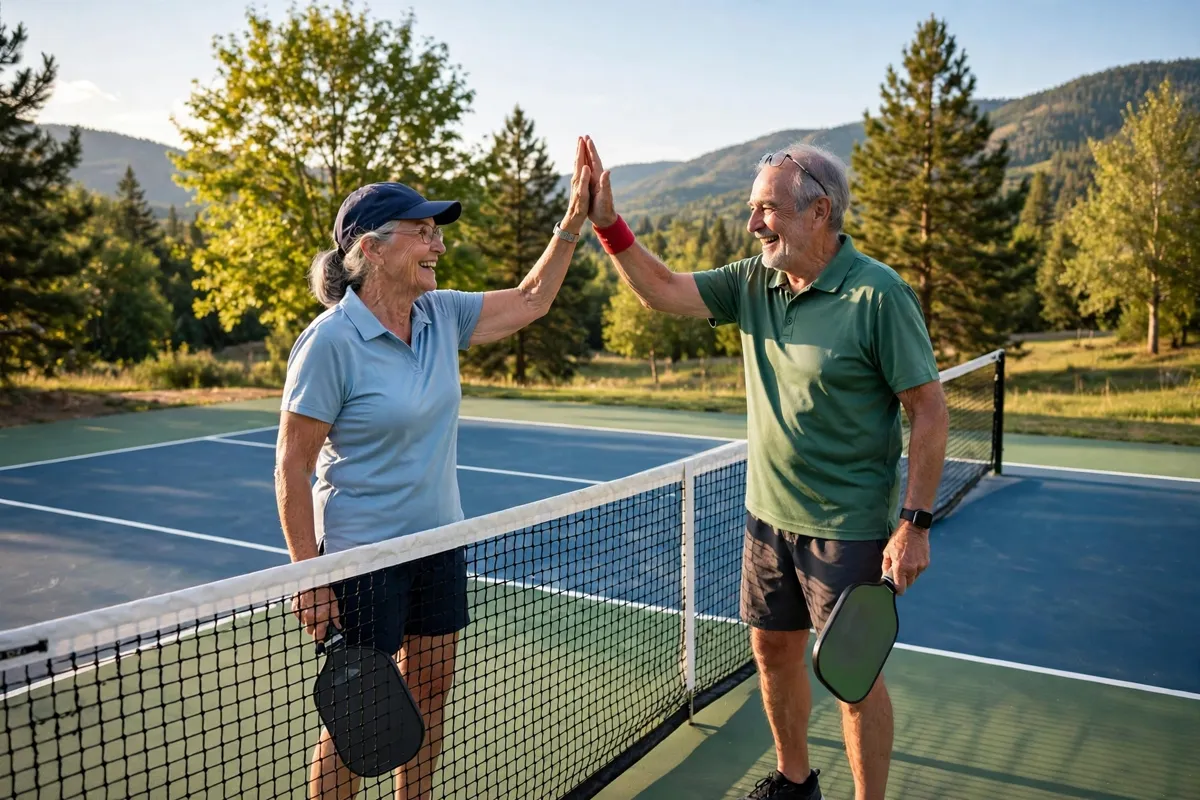
In a 2018 study sponsored by the American Council on Exercise (ACE) and run at Western State Colorado University, researchers measured 15 recreational players, aged 40 to 85, while they played doubles. The players burned an average of 353.5 calories in an hour of play, which most people round to about 350 calories an hour. They worked at an average of 4.1 METs. A MET is a standard way to measure exercise intensity: 1 MET is the energy you use sitting still, so 4.1 METs means the body is working about four times harder than rest. Health guidelines count that range as moderate-intensity exercise, the kind adults are encouraged to get every week.
That average came from ordinary recreational doubles, not professional play. The players were regular people at regular courts, which makes the number a fair guide for your own weekly games. It is still an average, though, and your personal burn can land well above or below it depending on three things: the format you play, your body, and how much of your court time is truly playing time.
Why your number may be higher or lower
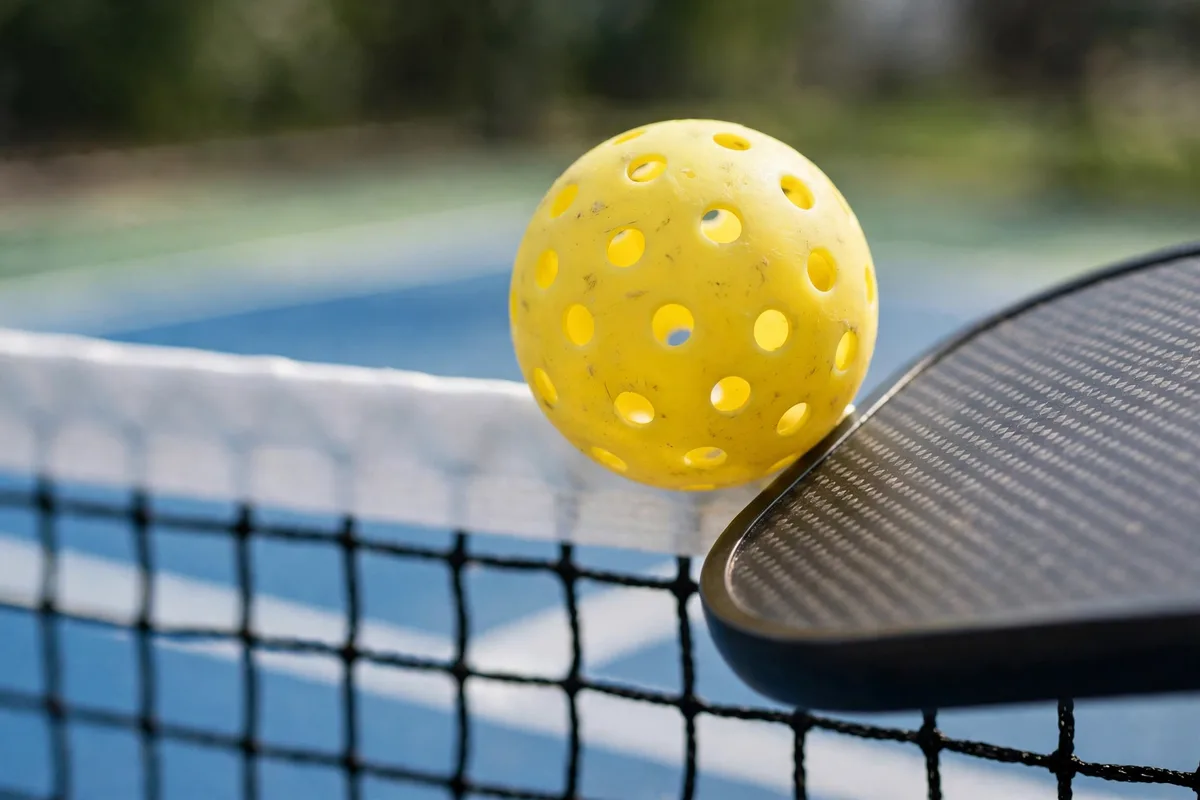
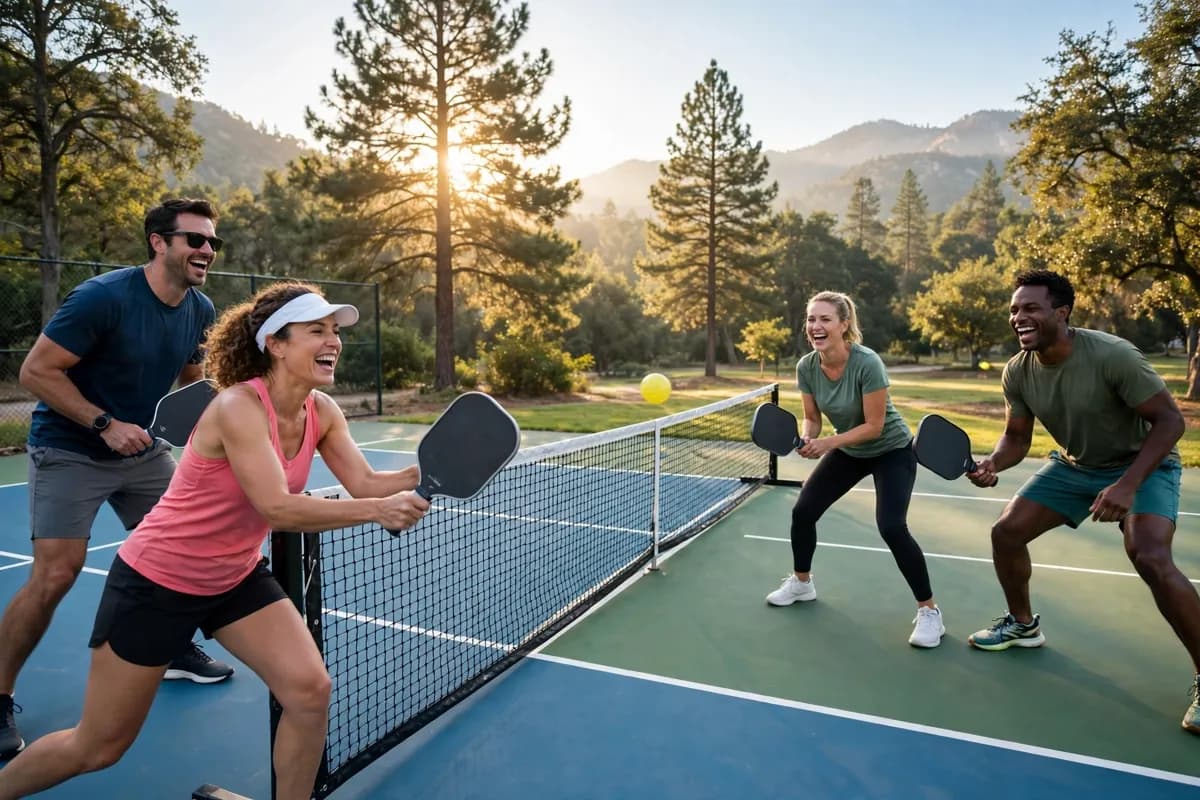
Format is the biggest lever. Doubles splits the court between two partners, so each player covers about half the ground. Singles is just you against one opponent on the same court, which means far more running, reaching, and recovering between shots. Faster, harder rallies raise the burn in either format, while slow social games with long pauses between points lower it. This is also why two people can play side by side for the same hour and burn noticeably different amounts.
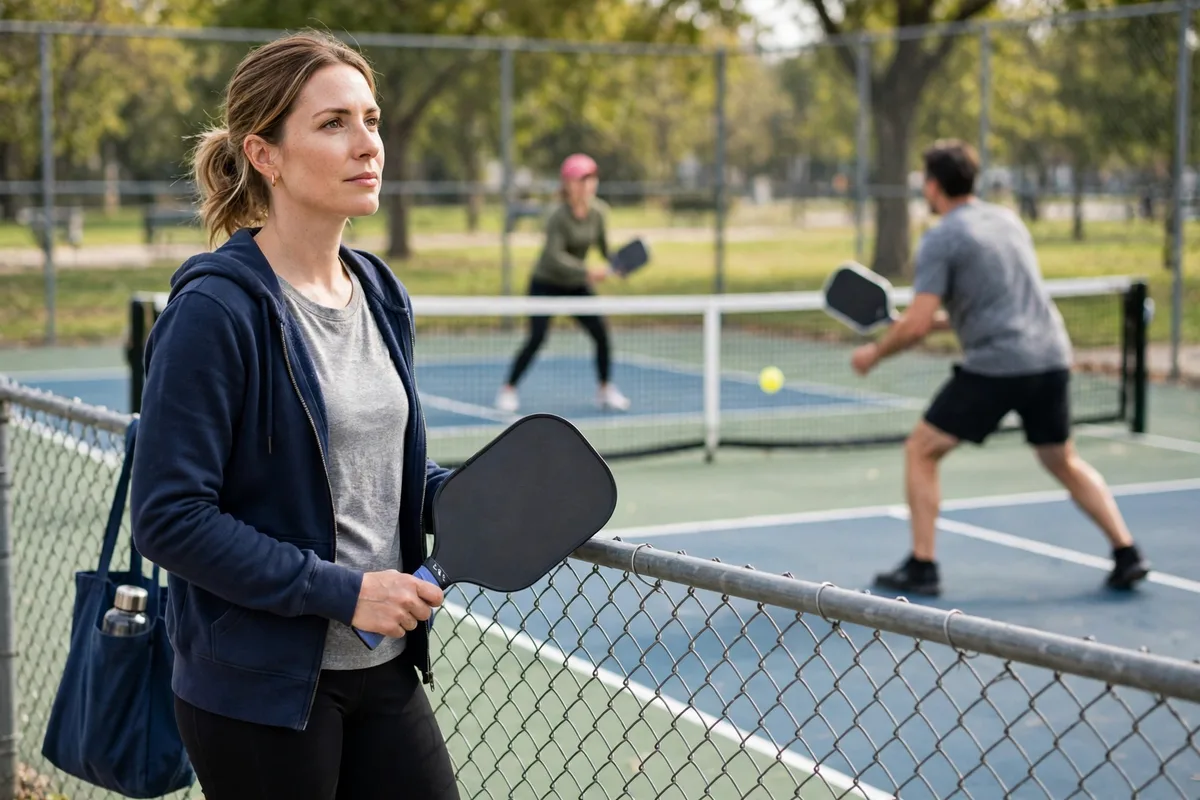
Body size matters too. Moving a larger body around the court takes more energy, so a heavier player burns more calories doing the exact same work as a lighter player. Age and fitness play a part as well, though more quietly. And there is one hidden factor many players miss: actual playing time. At busy open-play sessions, a chunk of your hour is spent standing by the fence waiting for a court. Waiting does not burn like playing, so a two-hour visit with lots of standing around may burn less than one focused hour of steady games. If you want more of your session to count, finding courts near you with open spots keeps you on the court instead of in line.
Making your court time count
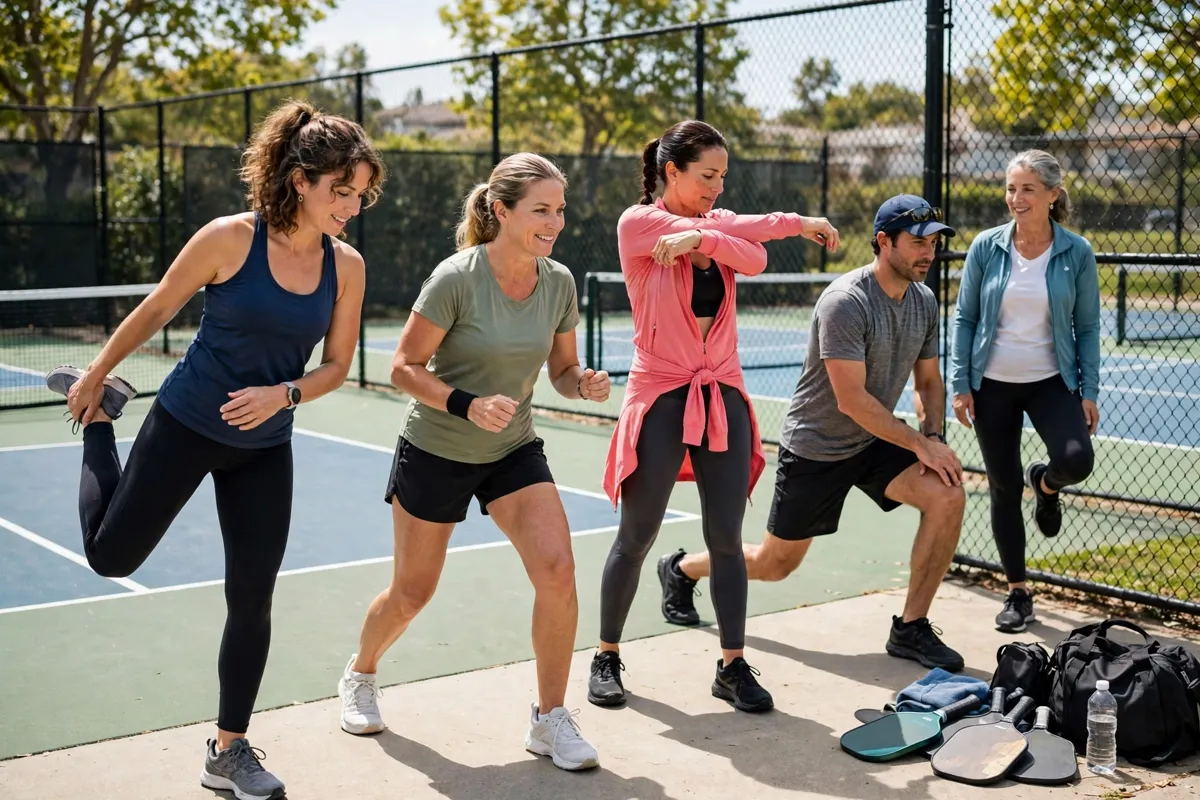
If burning calories is one of your reasons for playing, the simple levers are these: play a little longer, rally a little harder, and waste less time waiting. Try a few singles games if your knees and fitness allow it, keep rallies honest by chasing down gettable balls, and warm up with light movement instead of standing still. During games, small choices add up: walk briskly to your position between rallies instead of drifting, volunteer to be the one who chases the stray ball, and pick the busier rotation at open play so your rest between games stays short. None of this turns pickleball into a grueling workout program, and it does not need to. Part of the sport's magic is that it delivers genuine moderate exercise inside a game people actually enjoy, which is the main reason players of every age stick with it. We explain that side of it in our look at pickleball for seniors.
The honest bottom line: plan on roughly 350 calories for an hour of recreational doubles, more for singles or faster play, less for easy games with long breaks. Fitness trackers estimate calories from your heart rate and profile details, and different devices give different answers for the same game, so treat any single watch reading as a rough guide and the study average as the anchor. If you want to know where your game itself stands, rather than just your burn, take our free skill check and see your level shot by shot.