Pickleball has become the sport of senior centers and retirement communities, and that is not an accident. It was almost designed for older players who still want a real game. Here is why it fits, and the honest cautions worth knowing before you start.
Why pickleball suits older players
Start with the court. A pickleball court is much smaller than a tennis court, so there is far less ground to cover and far less all-out running. The serve is underhand, which is gentle on shoulders compared with the big overhead tennis serve. In doubles, the most common way to play, you share the court with a partner, so each of you handles about half the balls. The ball is light, the paddle is light, and rallies reward placement and patience more than raw power. Put together, regular play can help keep you active and moving, get your heart working at a comfortable level, and keep your balance and reactions in use, all inside a game rather than a workout routine.
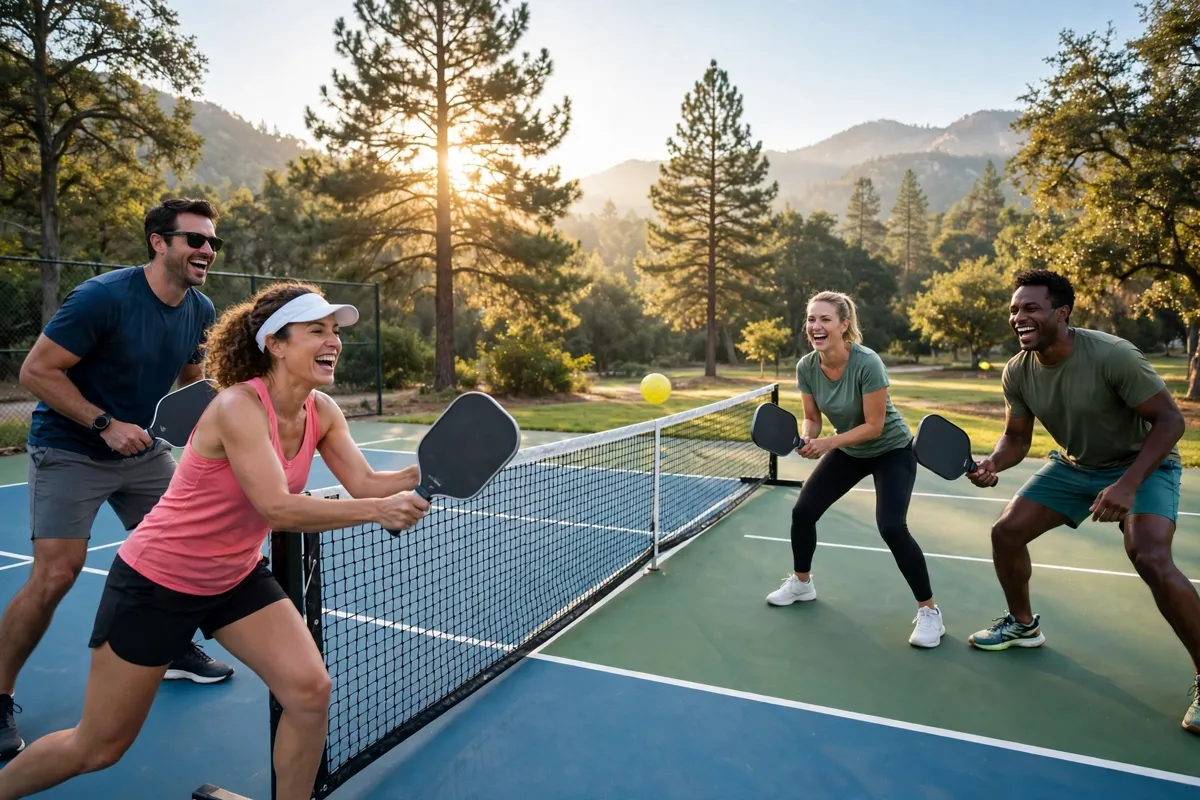
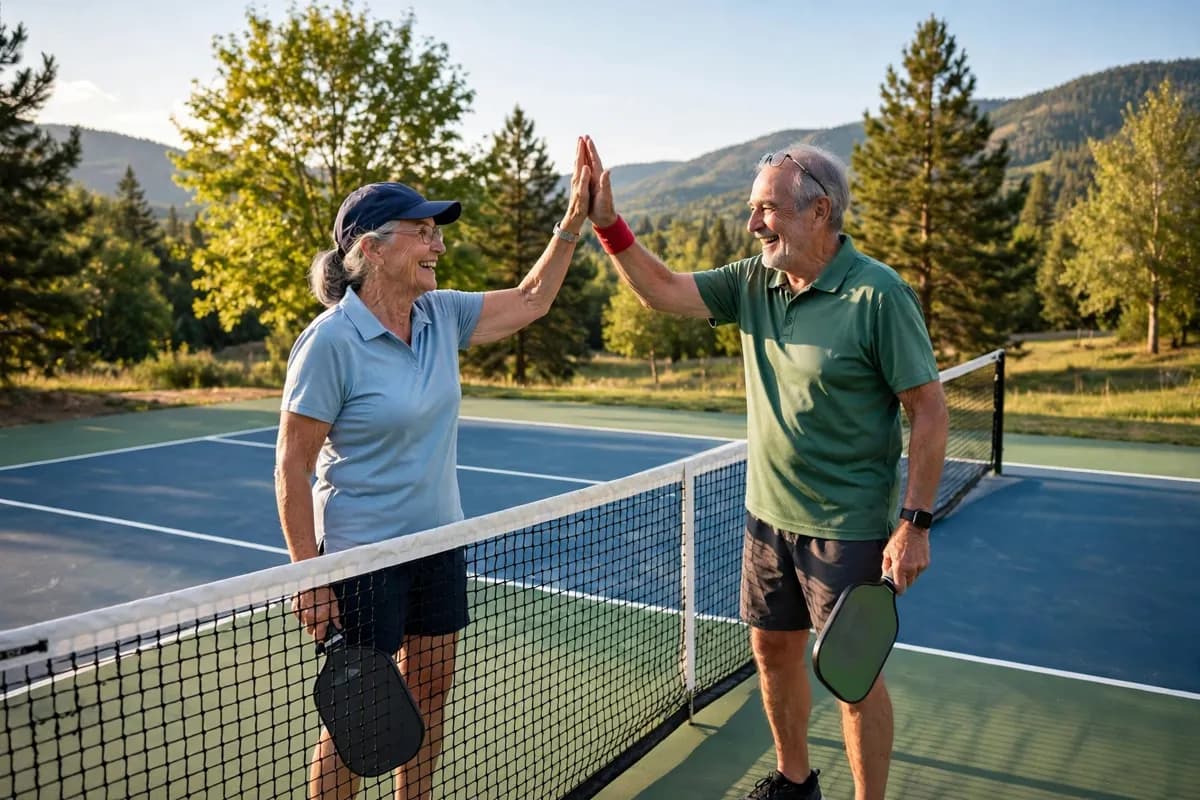
There is also a reason no gym can match: pickleball is social by design. Open-play sessions mix players together, games are short, and people rotate courts and partners all morning. Many older players say the friendships are what bring them back as much as the exercise. And it is genuinely easy to start. The rules are simple, beginner games are welcoming everywhere, and you can be rallying on your first day.
The honest cautions
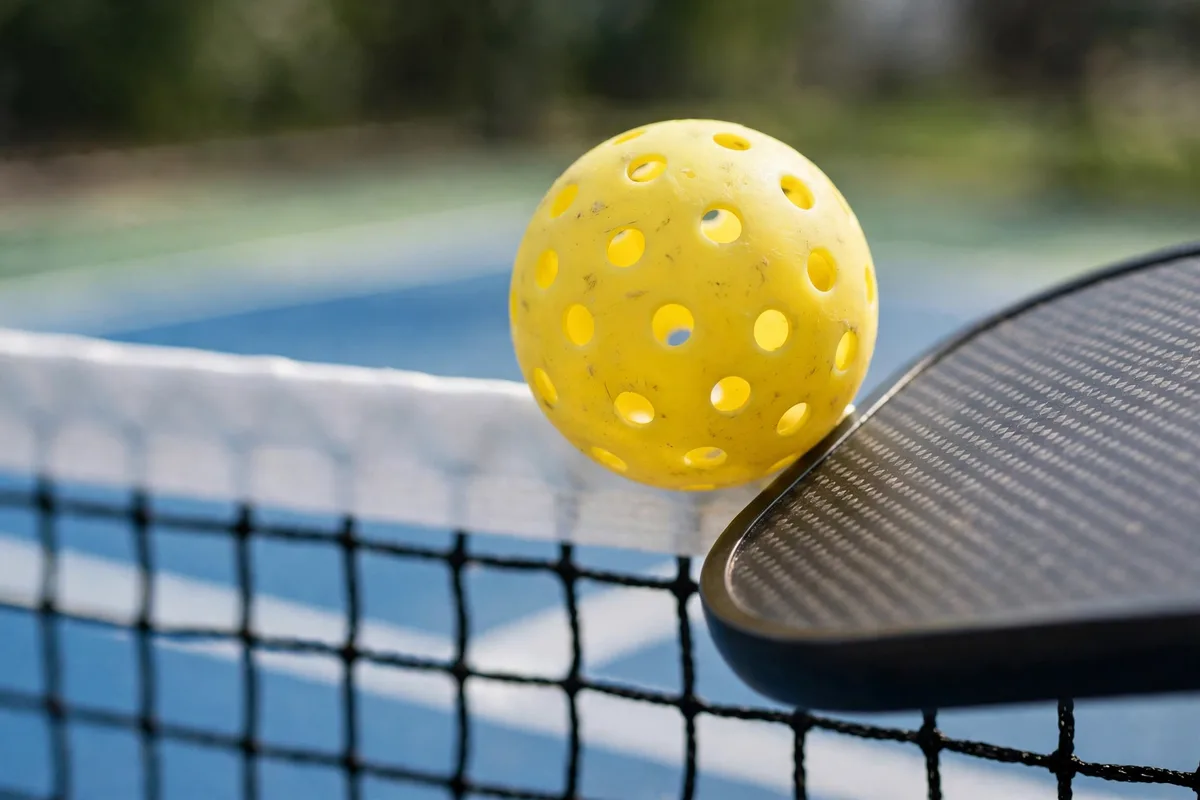
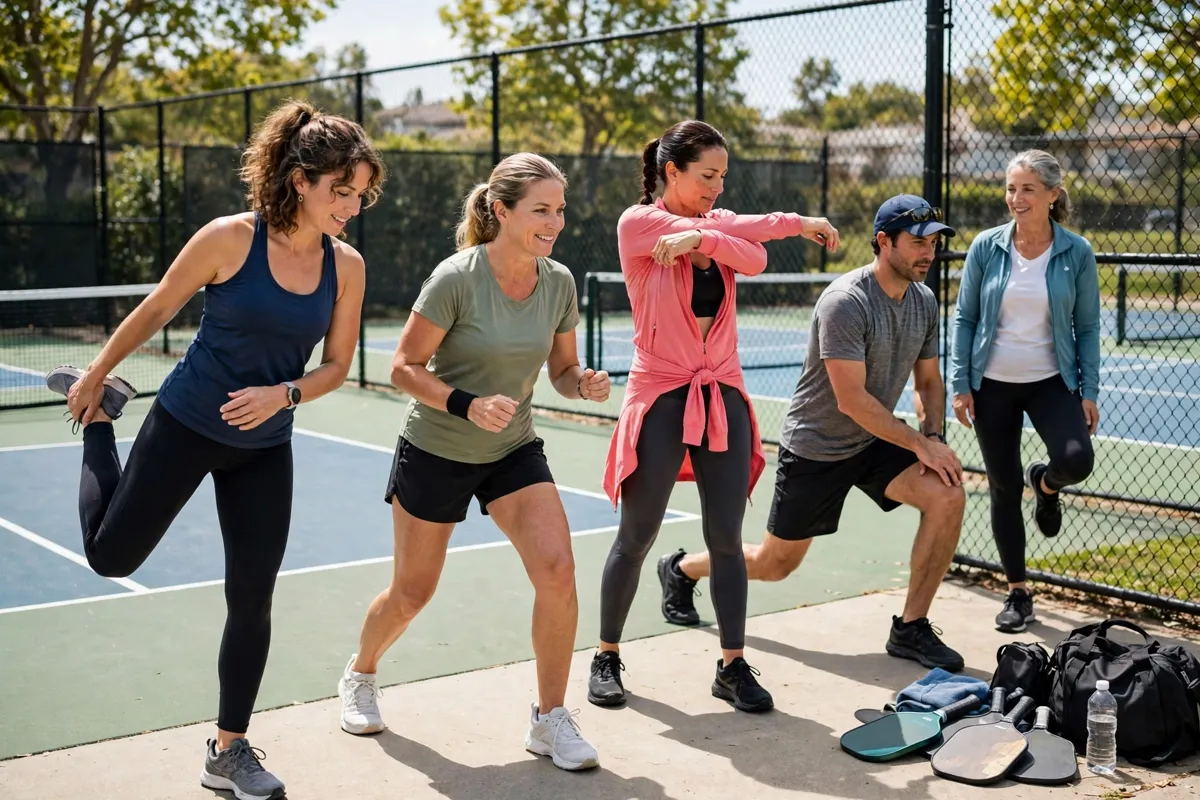
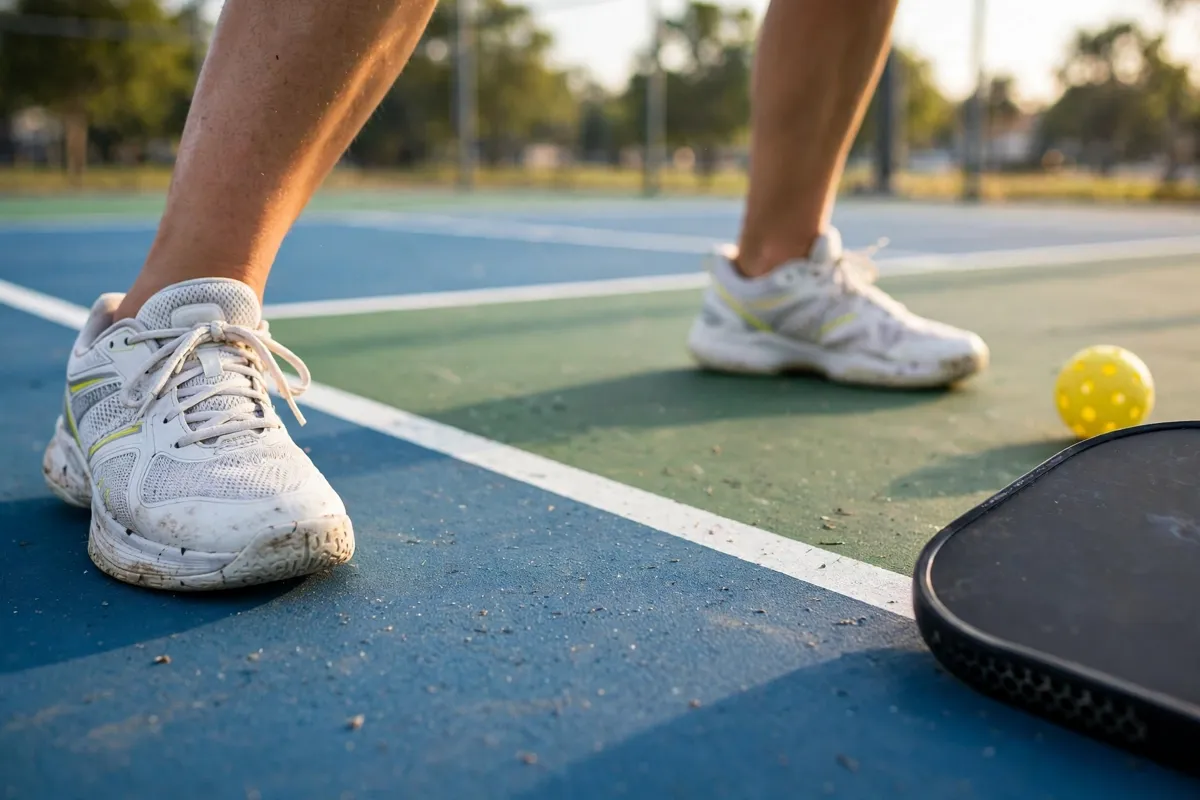
Easier does not mean risk-free, and it helps to be clear-eyed. The movements that cause trouble are quick stops, sudden lunges for a ball, and reaching or backpedaling for lobs, which is where balance gets tested and falls happen. Heat matters too, especially for midday outdoor play. If you have a heart condition, joint problems, balance issues, or you have not been active in years, check with your doctor before you start. That conversation is a starting line, not a barrier, and it helps you pick the right pace. Wear proper court shoes rather than walking shoes, and always warm up first; our simple warm-up routine takes just a few minutes and gets your joints and muscles ready.
How to start gently
The players who thrive start smaller than they think they need to. Learn alongside other beginners, through a clinic or a beginner open-play session, so nobody is slamming balls at you while you learn. Spend your first sessions partly on easy drilling, just keeping the ball going with a partner, before you chase wins in real games. Let balls go that would require a desperate lunge; a lost point is always cheaper than a fall. Play shorter sessions at first, two or three times a week, and add time as your legs and feet get used to it. It also helps to know the exercise is real: we break down the measured numbers in how many calories pickleball burns.
What a typical session looks like
A first session is usually gentler than people expect. Many community centers run beginner hours where a coordinator explains the scoring, the kitchen (the no-volley zone near the net), and the rotation system, then groups new players together for short games. You will spend time waiting between games, chatting as much as playing, and that is a feature: the breaks keep the pace comfortable while you learn. Bring water, take the rest you need, and do not judge the sport by game one. By the third or fourth visit, most new players know the flow, know some names, and are moving noticeably better than when they started. It also gets more fun fast: once you can keep a rally going and hold your own at the kitchen line, games tighten up, friendly rivalries form, and the morning session becomes a standing plan with people you look forward to seeing, which is exactly the kind of exercise habit that lasts. Ready to try it? Use our court finder to find a court near you, look for beginner or senior sessions, and bring water and patience. When you have a few games behind you and want to know where your game stands, our free skill check will show your level and which shot to build next.