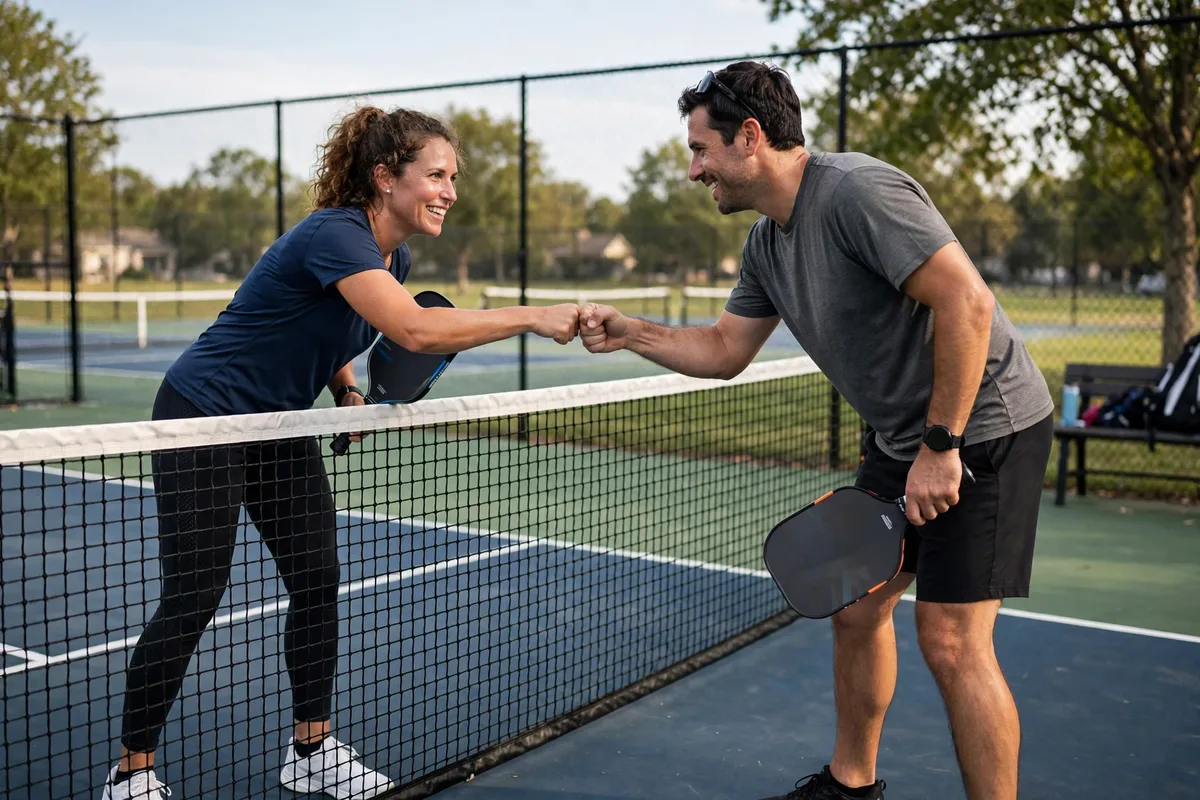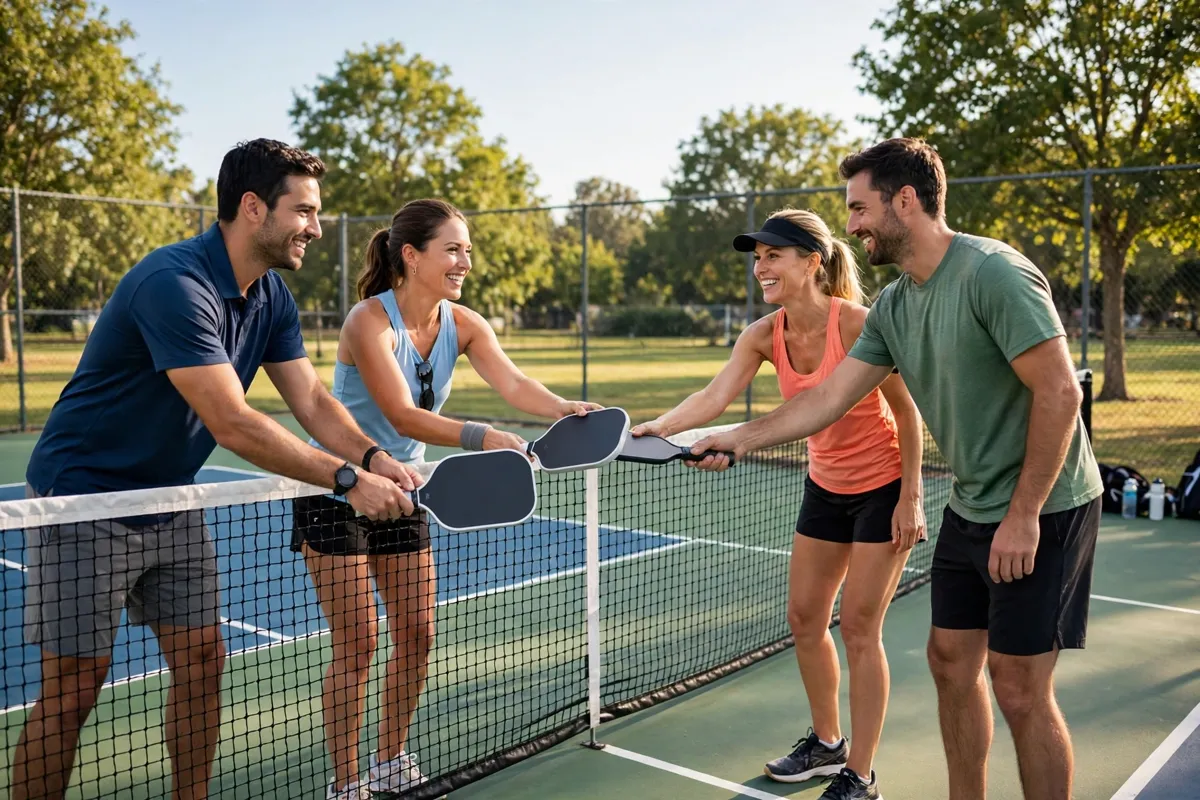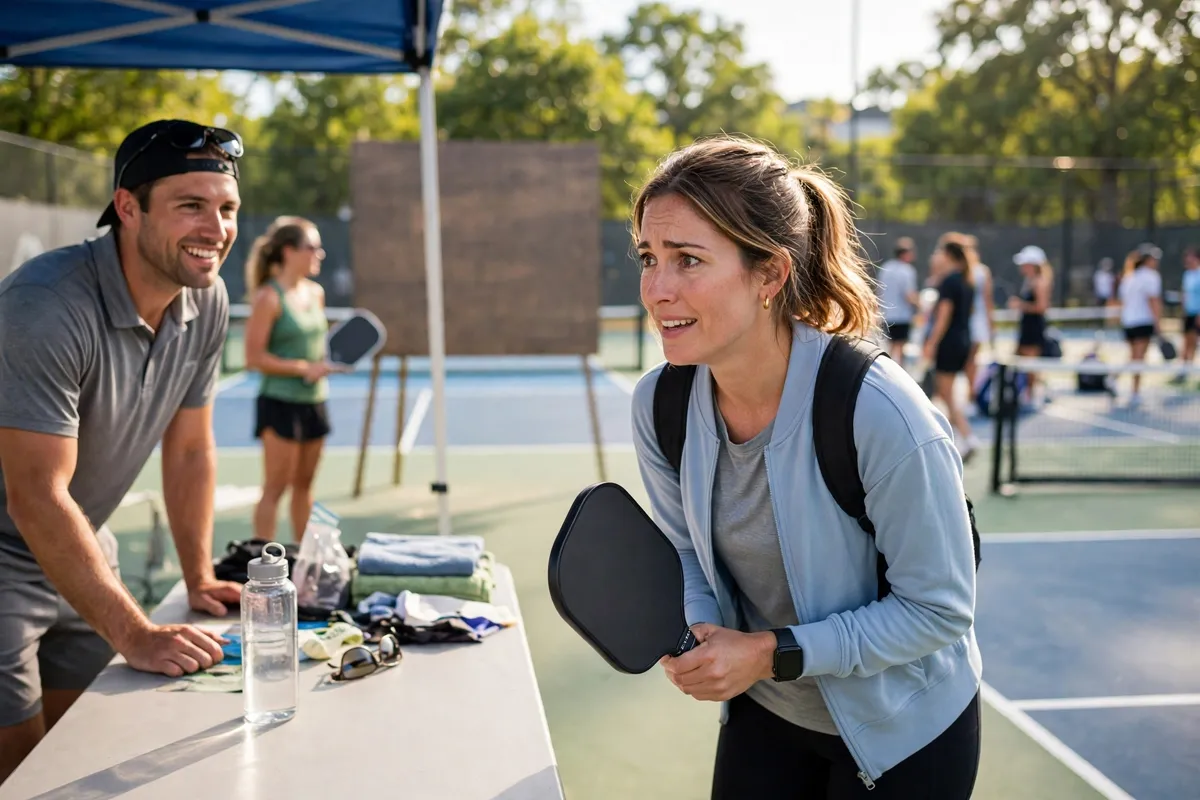
Every tournament player you admire started the same way: standing at a check-in table at 7 in the morning, paddle bag on one shoulder, wondering what they had signed up for. The good news is that a local pickleball tournament is one of the most beginner-friendly competitions in sports. The formats are simple, the divisions keep games close, and the chaos is the organized kind. Here is what actually happens, so your first one feels familiar before you arrive.
How tournament formats work
Most local events use one of two shapes. In a round robin, you play every other team in your small group once, and the best records advance to a medal round — first-timers love this format because you are guaranteed several games no matter what. In double elimination, you keep playing until you have lost twice; a first loss drops you into a second bracket rather than sending you home. Games are often shorter than your club games — sometimes to 11 points, sometimes a single game instead of best-of-three — so every match starts fast. The event listing will name the format; if it does not, ask the organizer. Knowing the shape of the day removes half the nerves. One more detail worth checking in the listing: which ball the event uses and whether play is indoors or outdoors, since balls feel different and a short practice with the right one settles your hands early.
Your rating and your division
Tournaments sort players into divisions by level so games stay competitive. Bigger events use rating numbers — systems like DUPR calculate a number from your recorded match results, and organizers use it to place you and to seed (rank) the stronger teams so they do not meet in round one. If you do not have a rating, most local events let you self-rate: an honest estimate of your level. Be honest. Entering below your real level to chase a medal is called sandbagging, other players can spot it in two rallies, and close losses teach you far more than easy wins. Our explainer on what DUPR is walks through how those numbers are built if you want the full picture.
What to bring
Pack like you are spending the day outdoors, because you are. Bring your paddle — and a second one if you own it, since a cracked edge or broken grip mid-match is only a crisis without a spare. Bring more water than you think you need, real snacks, sunscreen, a towel, and a warm layer for the long waits between games, when muscles cool down fast. Wear proper court shoes rather than running shoes; the sideways movement in pickleball is hard on shoes built to go straight. Arrive early: check in, find your court, and warm up properly before your first match is called, not after.
Waiting, loud scores, and first-game nerves
Tournament days involve more waiting than playing, and that is normal — bring a chair and enjoy watching the divisions above yours; it is free coaching. When you play, call the score loudly before every serve. In a noisy venue, a clear score call prevents most disputes before they start, and referees and opponents both expect it. As for nerves: everyone has them, and they follow a reliable pattern. The first game feels shaky, the second feels normal, and by the third you are just playing pickleball again. Play the first game extra simply — deep serves, deep returns, soft shots to the middle — and let your hands remember the game while your head catches up.
One last piece of advice: sign up with a friend if you can. A partner you laugh with turns the waiting into the best part of the day, and doubles is the format most local events are built around. If your club runs its own round robin, play a few of those first — they are tournaments in miniature, minus the entry fee. And before the big day, run the free skill check to see which of your shots a tournament opponent would test first, so your last practice sessions aim at the right target.