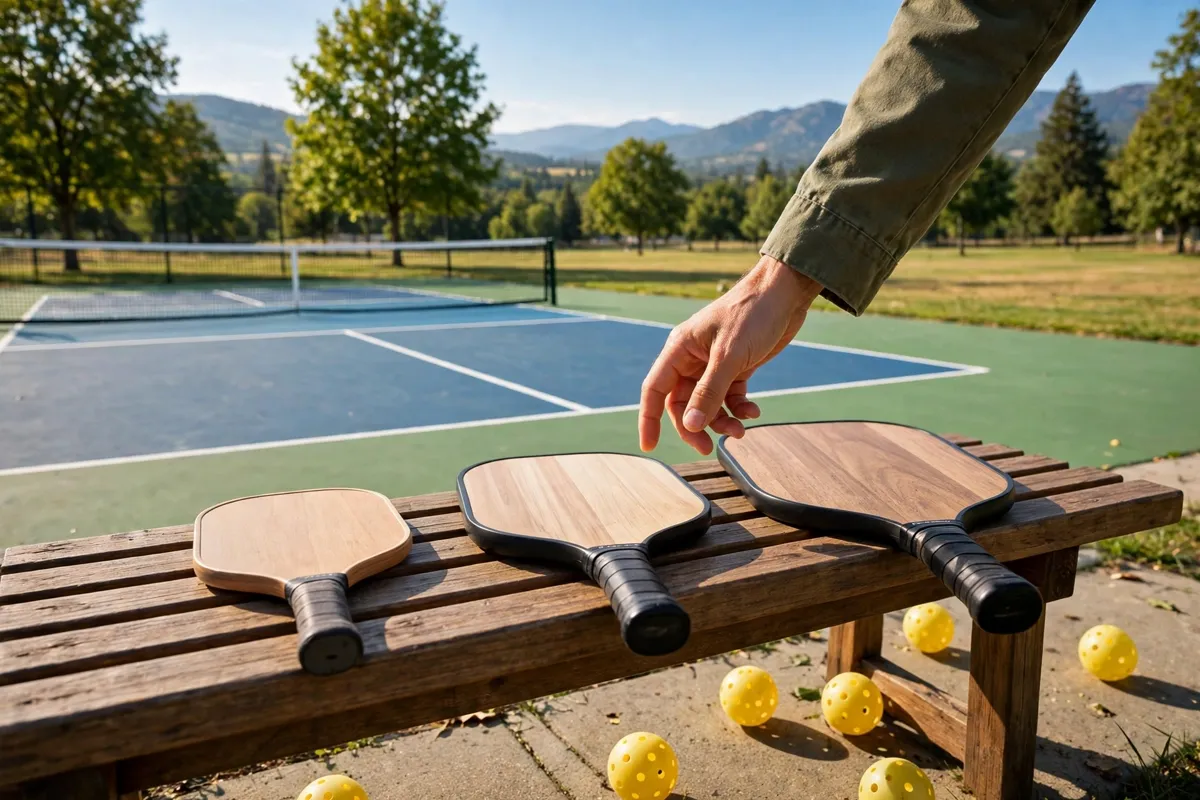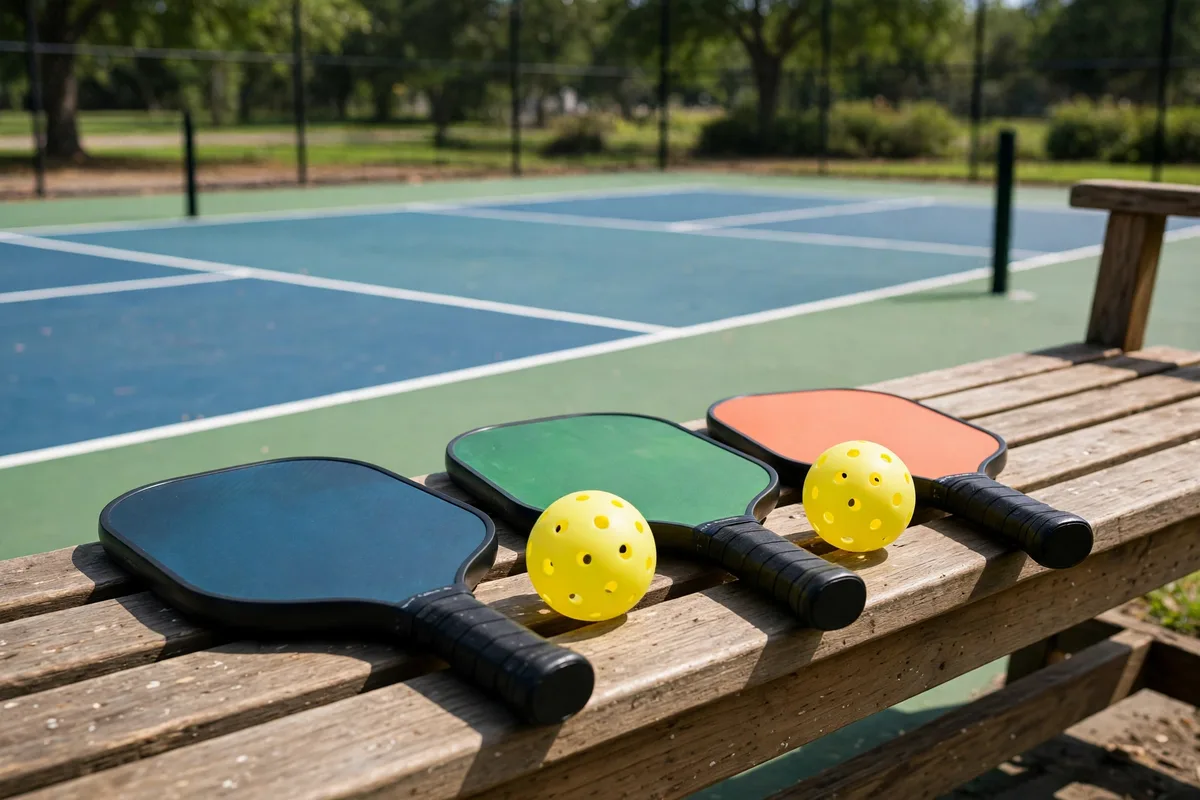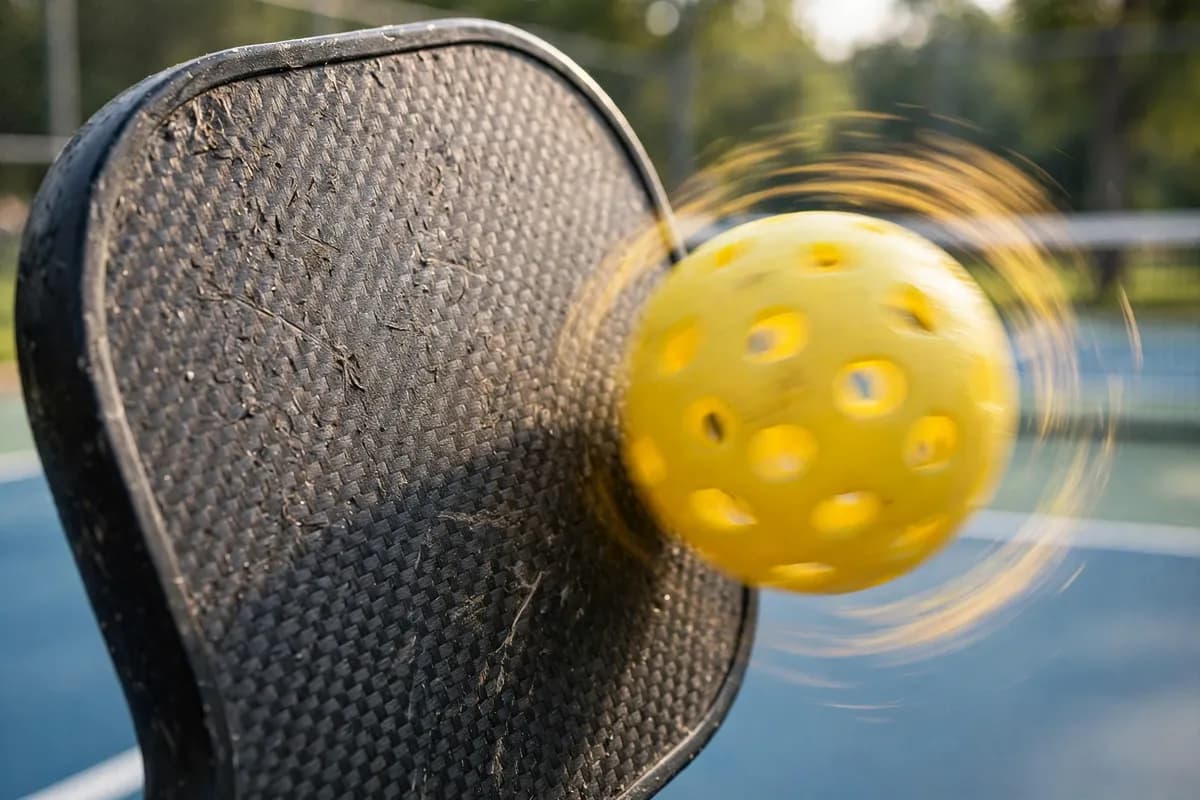
If you have seen alarming posts claiming your paddle just became illegal, take a breath. USA Pickleball's spin rate test took effect for new certifications on October 1, 2026 — and as the implementation coverage makes clear, it does not automatically ban any paddle that was already certified.
What actually changed
Paddles submitted for certification beginning October 1, 2026 must produce a measured spin rate of 2,100 revolutions per minute (RPM — how many times the ball rotates per minute after contact) or less under USA Pickleball's testing process. The test uses a dual-camera system and software that calculates the spin automatically. Certified paddles must meet the equipment standards that were in effect when they were certified — so a paddle approved under the old rules keeps its approval.
The distinction that matters: a new submission requirement is not a recall. The number also belongs to USA Pickleball's own test setup — a spin figure from a different testing rig is not an official verdict on your paddle.
What to do with your current paddle
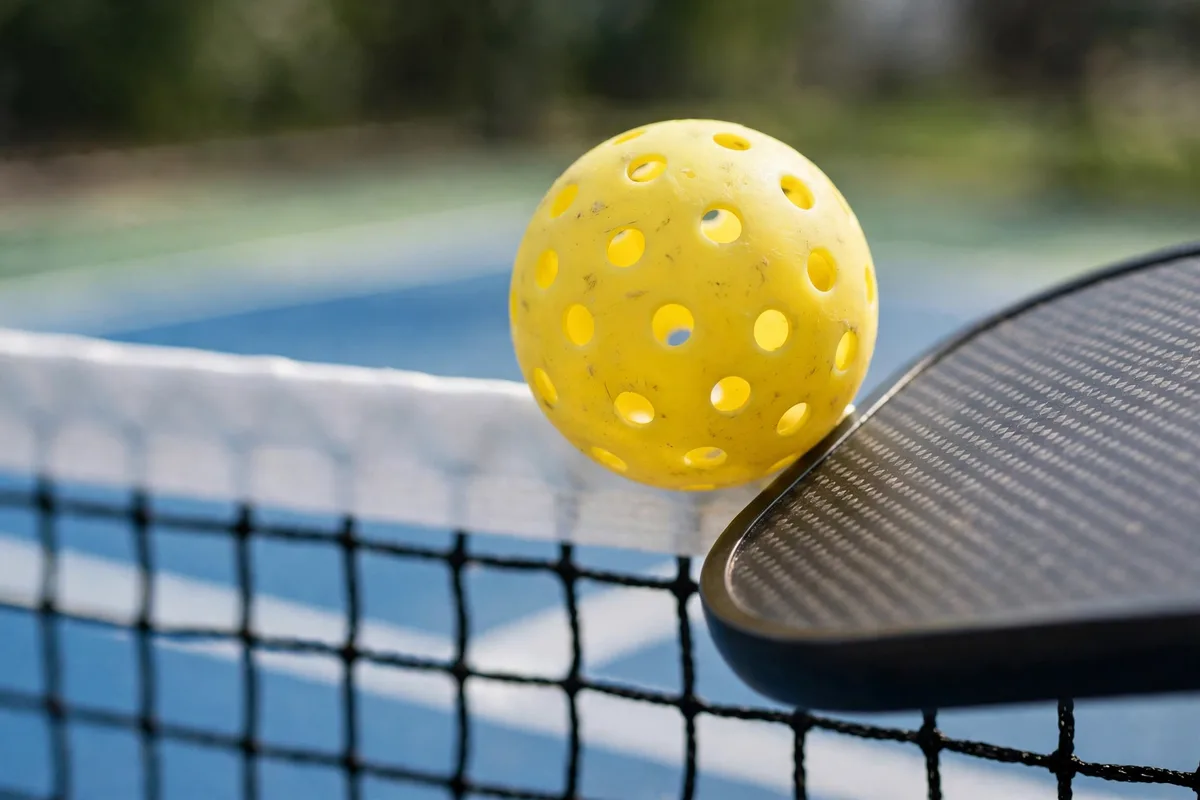
Nothing, in most cases. If your paddle was certified when you bought it, it stays legal for sanctioned play. If you want certainty, USA Pickleball's official equipment database lists certified models — check your exact model there, and confirm which equipment rules your local tournament follows, since events can adopt their own lists.
Why a spin limit at all
Paddle surfaces have kept getting grittier, and grit is what lets players brush extreme spin onto the ball — the same arms race that led to hand-spun serves being banned while paddle spin stayed legal (we explain that line in are spin serves legal in pickleball?). A measured cap is the governing body's way of keeping the equipment from outrunning the game.
Shopping for a paddle under the new rules? Our guide to paddle weight and grip size covers the specs that actually change how a paddle plays in your hand.
Source: USA Pickleball, "Update Regarding the USA Pickleball Spin Rate Test and Implementation Timeline," as covered by TrackItHub's equipment reporting (October 2026). Details as reported there.